
Last updated September 23, 2026
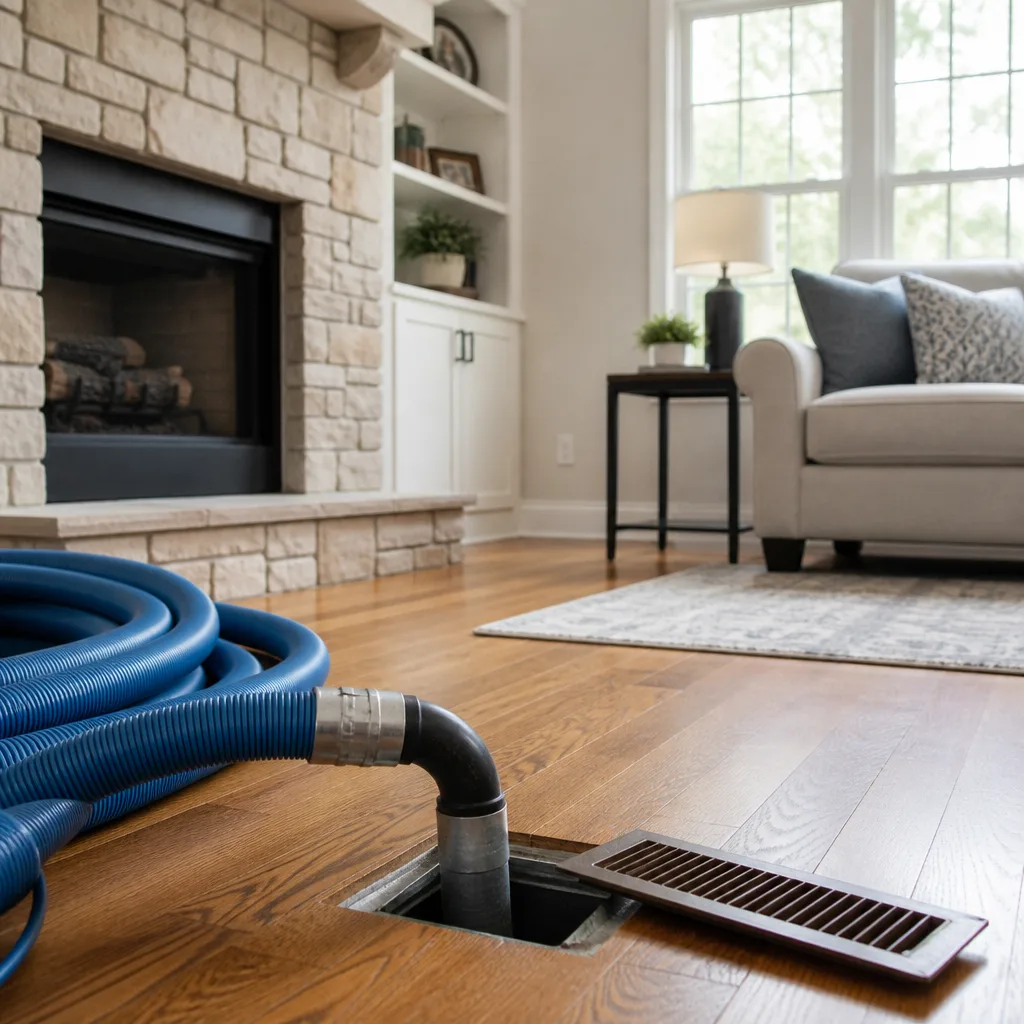
Whole-system duct and dryer vent check with before-and-after photos - you see exactly what came out of your vents
That "$99 whole-house special" is a bait ad - the real number appears once they are in your hallway, or the "clean" is a shop-vac at the register. We photograph the inside of your ducts before and after instead.
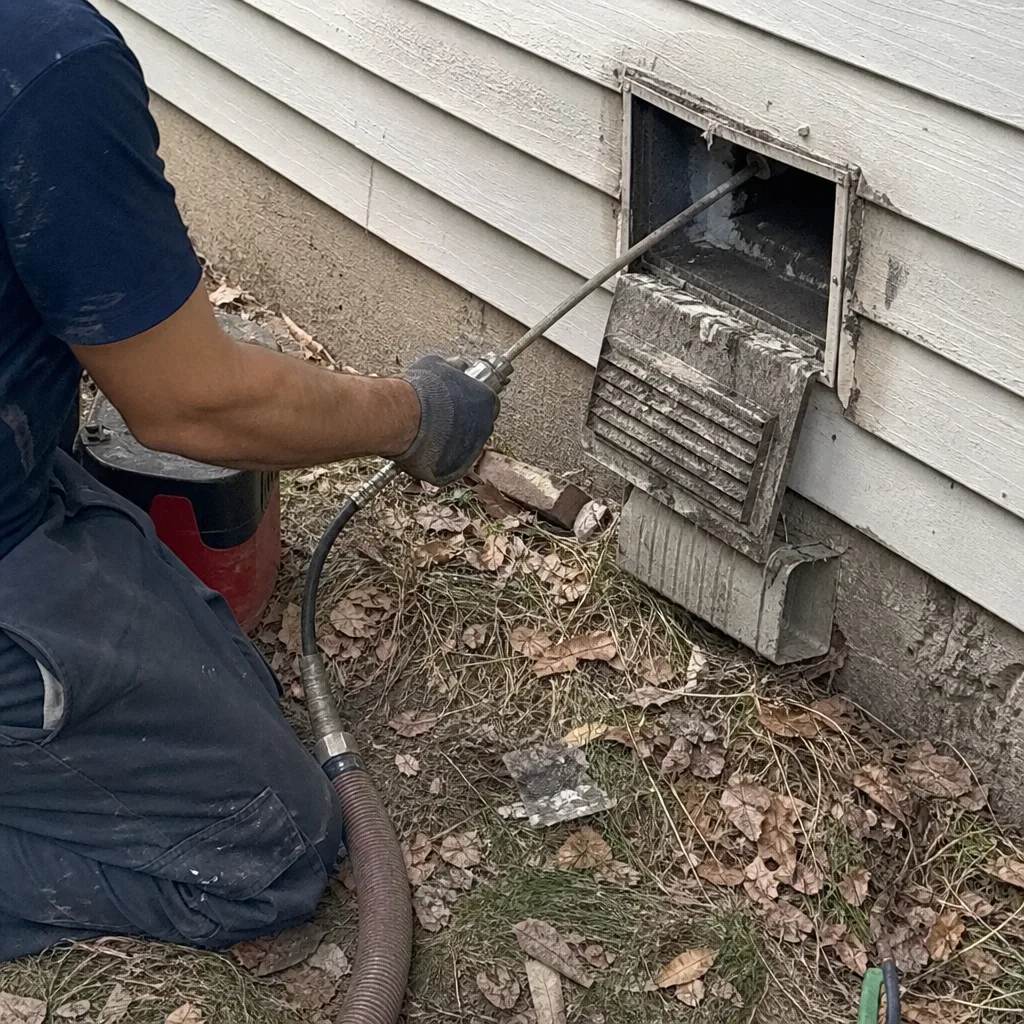 Before
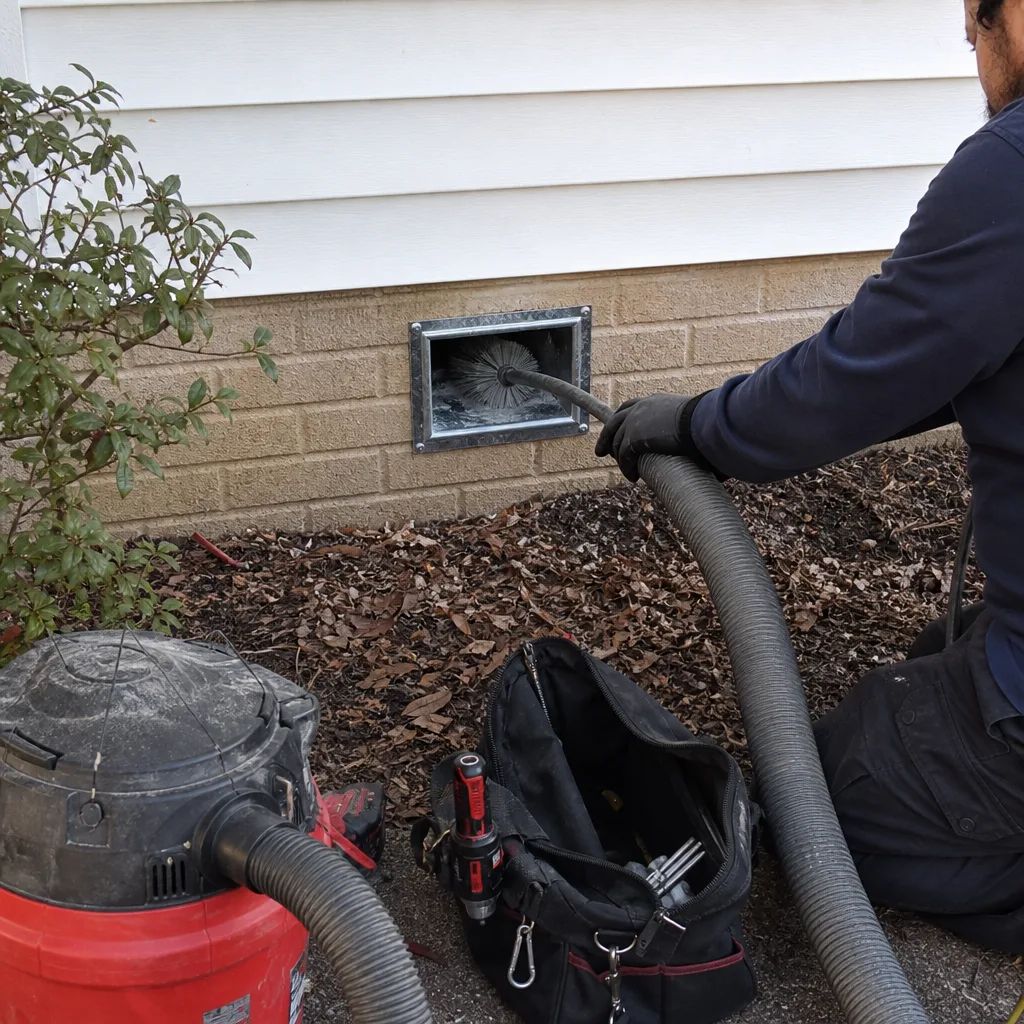 After
After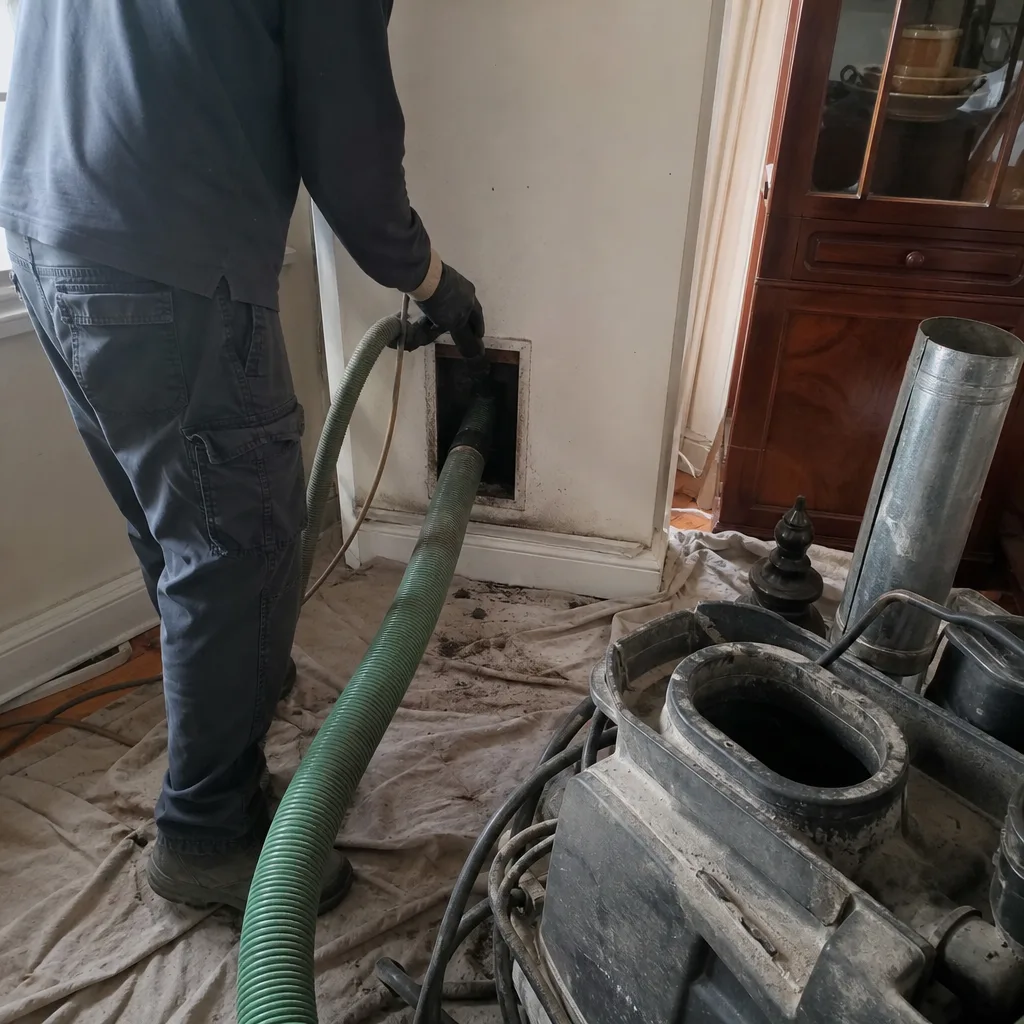 Before
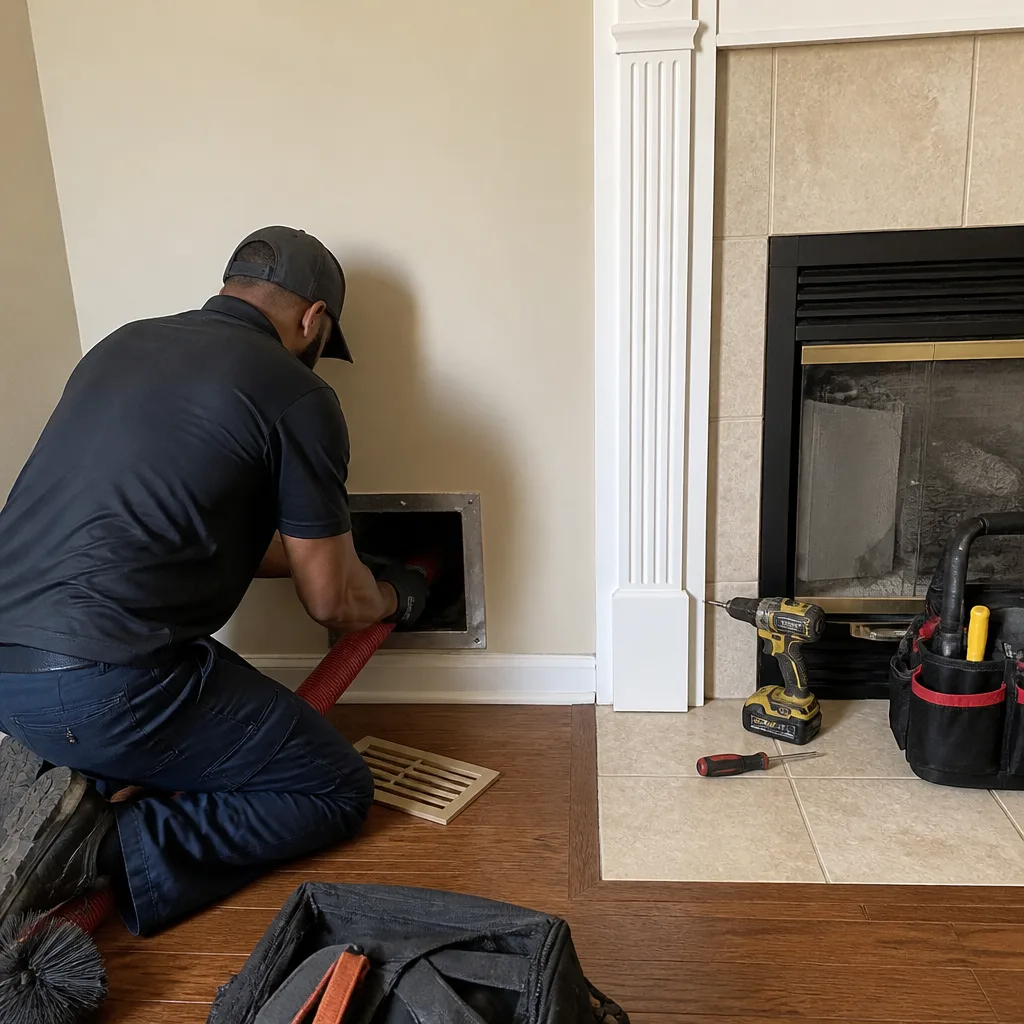 After
After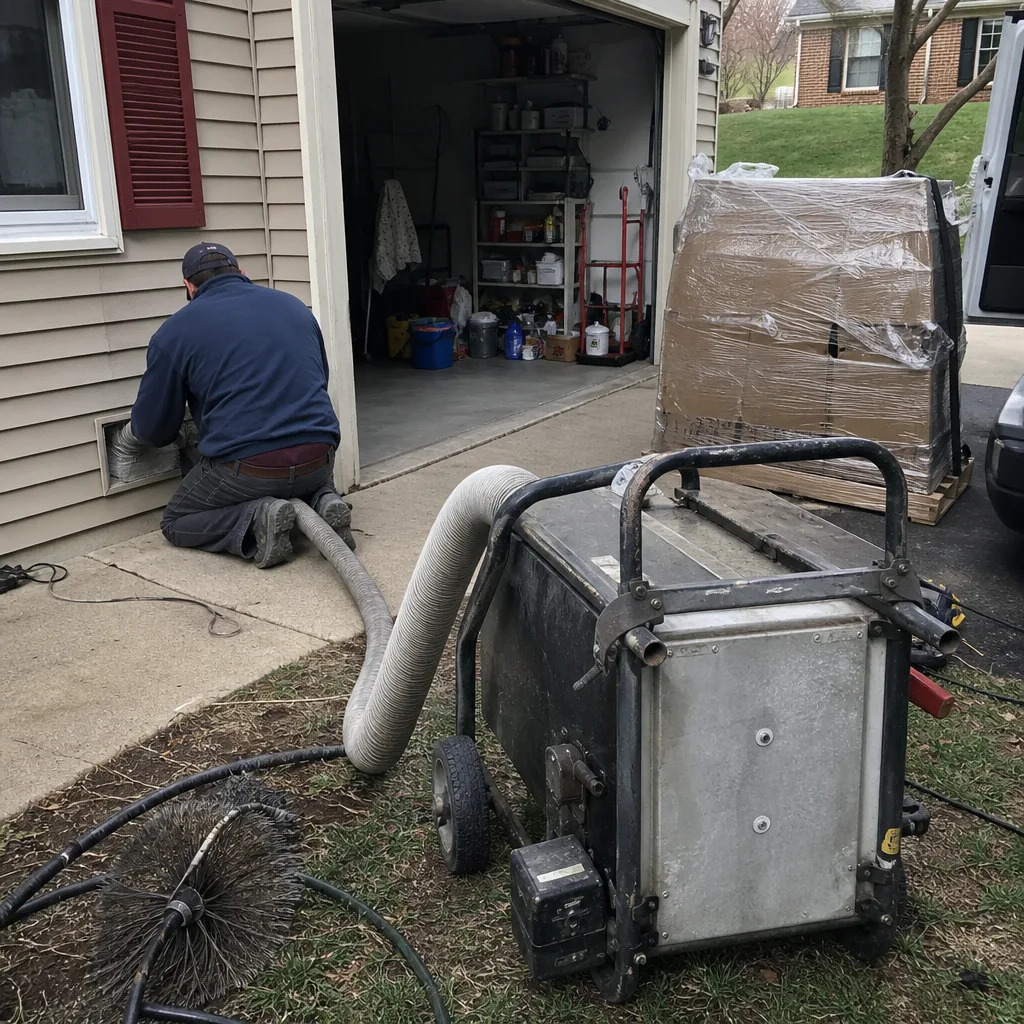 Before
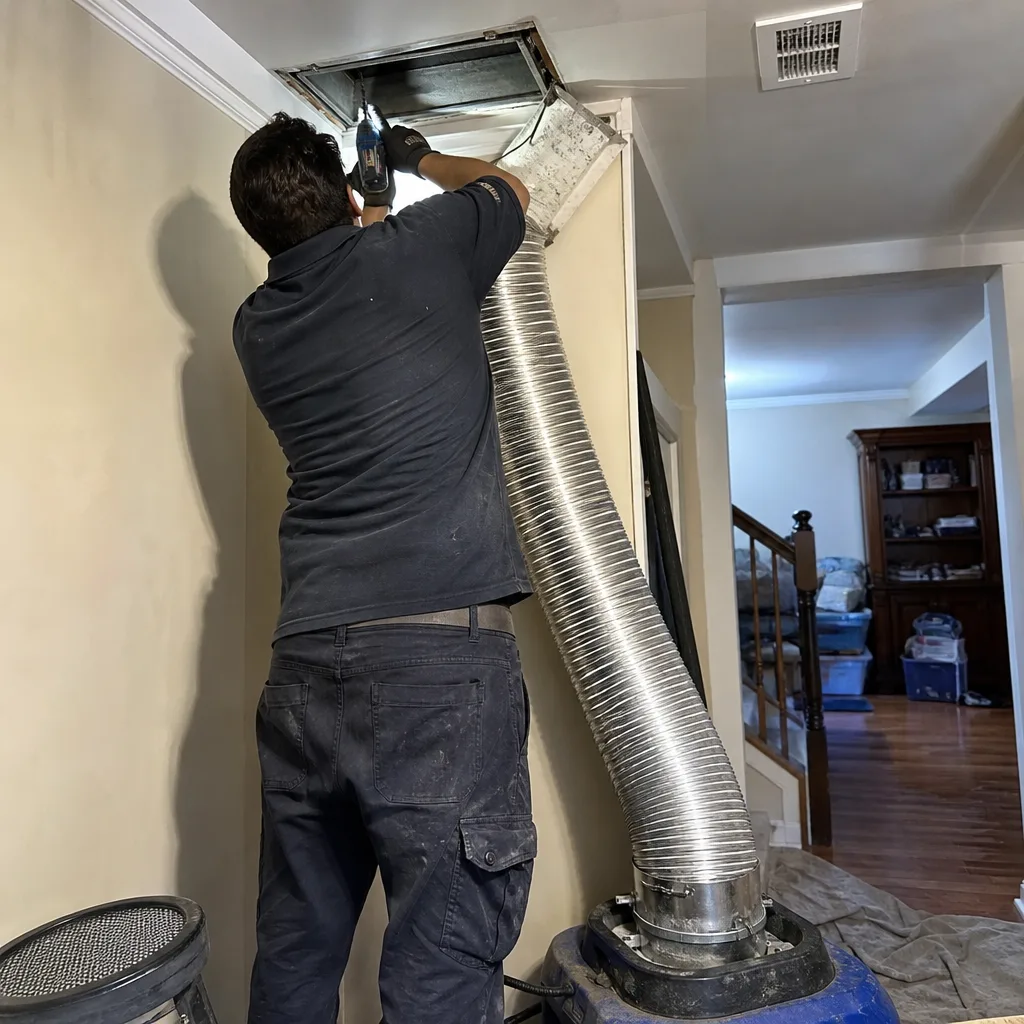 After
AfterAir Duct Cleaning Warning Signs: A Herndon Homeowner’s Reference Guide
Dust on your supply registers is not a warning sign. It’s normal accumulation in any home that breathes. The actual warning sign is dust that reappears within 48 hours of being wiped clean, which tells you particulate is actively moving through your duct system, not just settling from the room air. In Herndon, where many homes were built during the 1980s and 1990s construction waves and have since had multiple HVAC replacements without ductwork updates, we see this distinction misunderstood constantly. This guide replaces vague symptom lists with specific, observable evidence you can document yourself - what to look for, how to test it, and when the finding means you need professional Air Duct Cleaning versus a different repair entirely.
Quick Answer
Air ducts in Herndon homes need professional cleaning when you observe active particulate transport (dust returning within 48 hours of cleaning), persistent odors that map to specific duct runs, visible biological growth at registers, or uneven temperatures that correlate with duct accessibility rather than equipment age. Each sign has a physical cause that can be photographed and verified before a technician arrives, as detailed in The Complete Guide to Air Duct Cleaning in Herndon.
Table of Contents
- Cosmetic Dust vs. Active Particulate Transport
- Odor Mapping: Finding the Real Source
- Uneven Room Temperatures in Herndon Homes
- Visible Biological Growth at Registers
- Documentation Protocol for Homeowners
- HVAC-Specific Warning Signs
- Common Mistakes to Avoid
- When to Call a Professional
- Frequently Asked Questions
BeforeAfterCosmetic Dust vs. Active Particulate Transport
The most common phone call we receive at CleanRun Air Duct Cleaning Herndon starts with “my registers are dusty.” In most cases, that’s not a duct problem. It’s a housekeeping reality. Supply registers sit at the termination point of your duct runs, where conditioned air exits into the room. Room air circulates, dust settles, and registers collect debris like any horizontal surface.
The diagnostic distinction is whether the dust is settling from the room or being delivered from inside the duct system. Here’s how to tell.
The Tissue Test
- Choose a supply register in a room you use daily. Wipe it thoroughly with a damp cloth, then tape a single tissue over the open grille so it hangs freely without blocking airflow entirely.
- Run your HVAC system normally for 24 hours.
- Remove the tissue and hold it against a dark background or window light. If you see a distinct pattern of debris accumulation that matches the register’s fin pattern, particulate is being forced through the duct run under pressure. That’s active transport.
- Repeat at a second register on a different duct branch. Compare patterns. Consistent debris loading across multiple registers suggests systemic accumulation in the trunk lines or plenum (the main distribution box connected to your air handler), not just surface dust at the terminal points.
We’ve performed this test with homeowners in CleanRun Air Duct Cleaning Herndon home visits across neighborhoods from Franklin Farm to Dranesville. The tissue test correctly predicted significant debris buildup in the duct run about 70% of the time when the pattern was pronounced. When the tissue showed only faint discoloration, professional cleaning rarely revealed material accumulation worth the service cost.
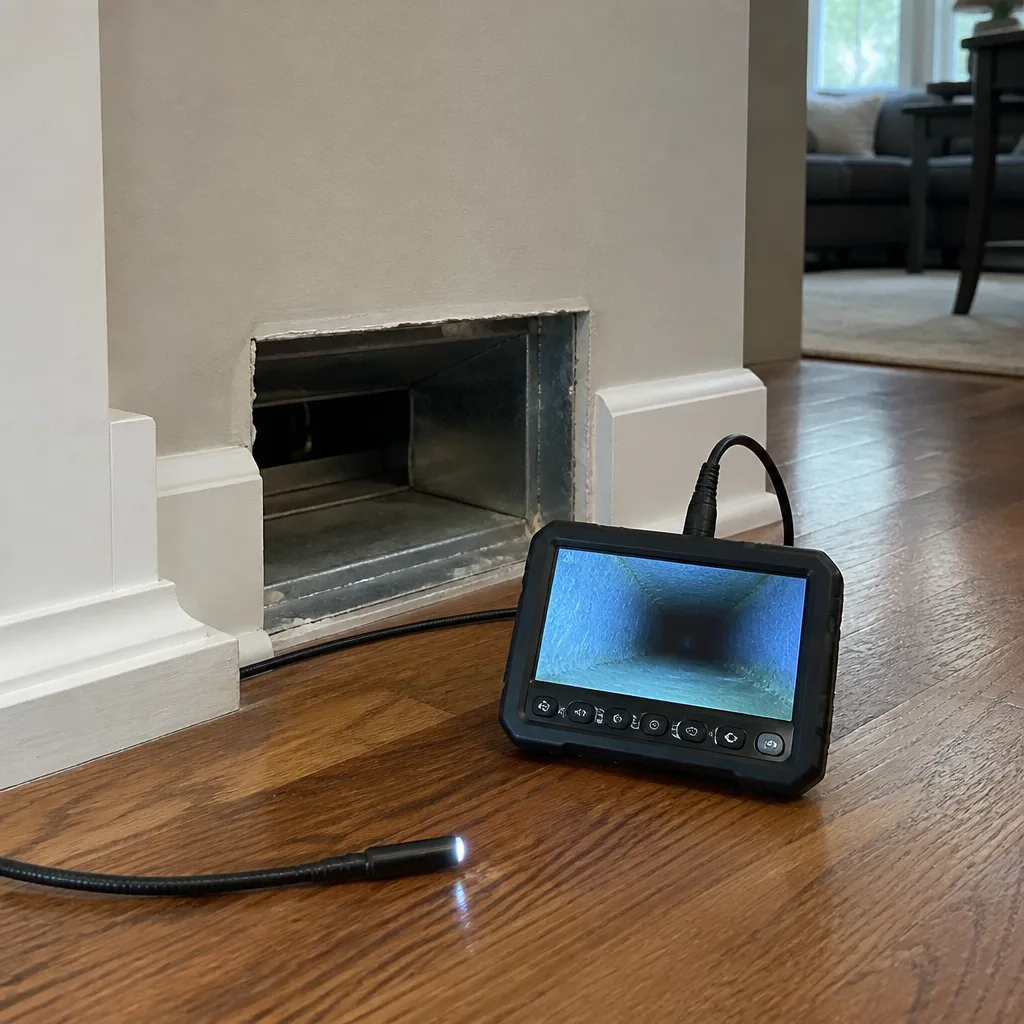
What the tissue test cannot tell you: the composition of the debris. In Herndon’s older subdivisions like Woodland Park and the areas near the W&OD Trail, we regularly find construction debris from original 1980s builds - drywall dust, insulation fragments, and wood particulate - still moving through systems after 30-plus years. That material behaves differently in the tissue test than organic dust from daily living. Only a camera inspection of the duct run interior confirms what you’re actually dealing with.
One more variable: the filter. A MERV 8 filter that’s been in place beyond manufacturer recommendation (typically 90 days for 1-inch pleated filters in Herndon’s pollen-heavy spring season) allows bypass that loads the duct system. Before concluding your ducts need cleaning, verify your filter fit, rating, and change schedule. A filter that bows inward from suction, or that leaves a visible gap at the frame edge, is passing unfiltered air directly into your plenum.
Odor Mapping: Finding the Real Source
Smells travel through ductwork, but they rarely originate there. Mapping an odor to its actual source prevents paying for duct cleaning when the problem sits in your air handler, drain pan, or coil. In Herndon’s humid summers, we see this misdiagnosis frequently.
The Four Primary Odor Sources
| Source Location | Characteristic Smell | When It’s Most Noticeable | Required Solution |
|---|---|---|---|
| Evaporator coil and drain pan | Musty, wet cardboard, locker-room | First cooling cycle of the day; after system has been off for hours | Coil cleaning and drain pan treatment; duct cleaning alone won’t reach it |
| Return ductwork and plenum | Stale, accumulated dust, “old house” | Continuous when blower runs; stronger at start of heating season | Negative-pressure extraction of return trunk and branch lines |
| Supply duct runs | Sharp, chemical, or burnt | Only when heating or cooling actively runs | Camera inspection for foreign material or insulation degradation; possible duct repair |
| External source drawn into return | Varies: pet areas, cooking, garage, crawl space | Intermittent; correlates with activity in source room | Seal return air pathways; address source location; may need return relocation |
The mapping procedure is simple but requires patience. When you detect an odor, note: which room you’re in, whether the blower is running, whether heating or cooling is active, and how long the system has been off. Walk to your thermostat and switch the fan from “Auto” to “On.” Does the odor intensify immediately, or does it take several minutes? Immediate intensification suggests the source is in the air handler or plenum, where air moves first. A delayed onset suggests the source is deeper in the duct runs, where air residence time is longer.
In Herndon townhomes near the Dulles Technology Corridor, we’ve traced persistent musty odors to condensate drain lines that were improperly pitched during original construction, allowing standing water in the pan that never fully dries. The smell distributed through every supply register, but duct cleaning would have been irrelevant. The fix was drain line reconstruction and coil treatment with an EPA-registered cleaner.
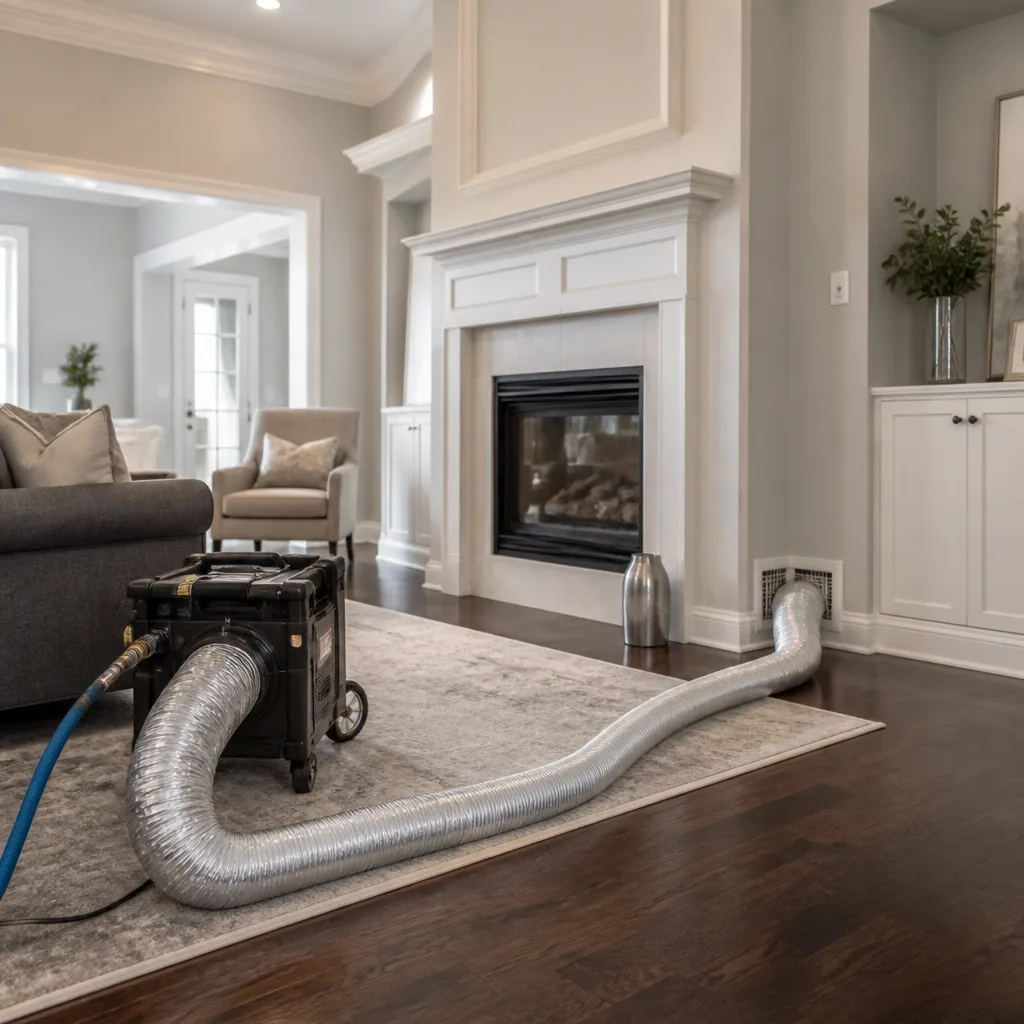
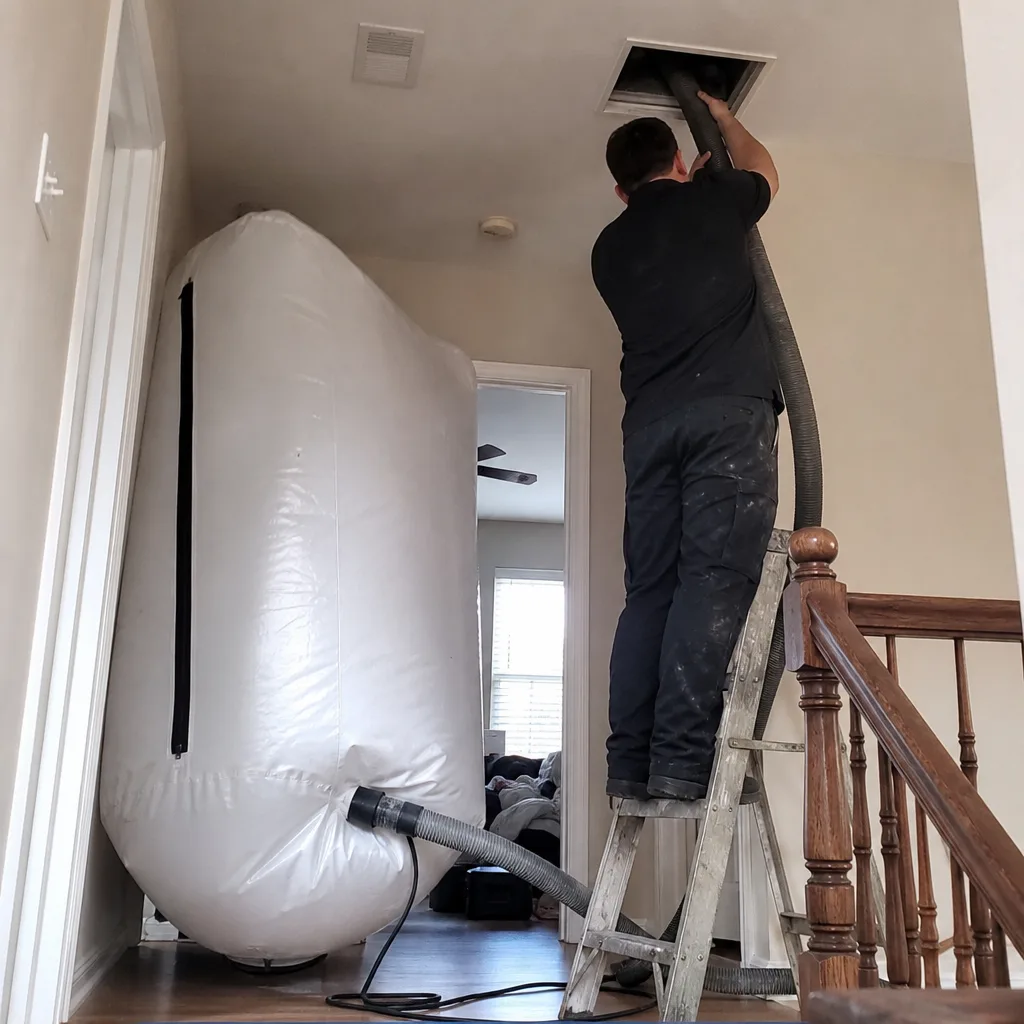
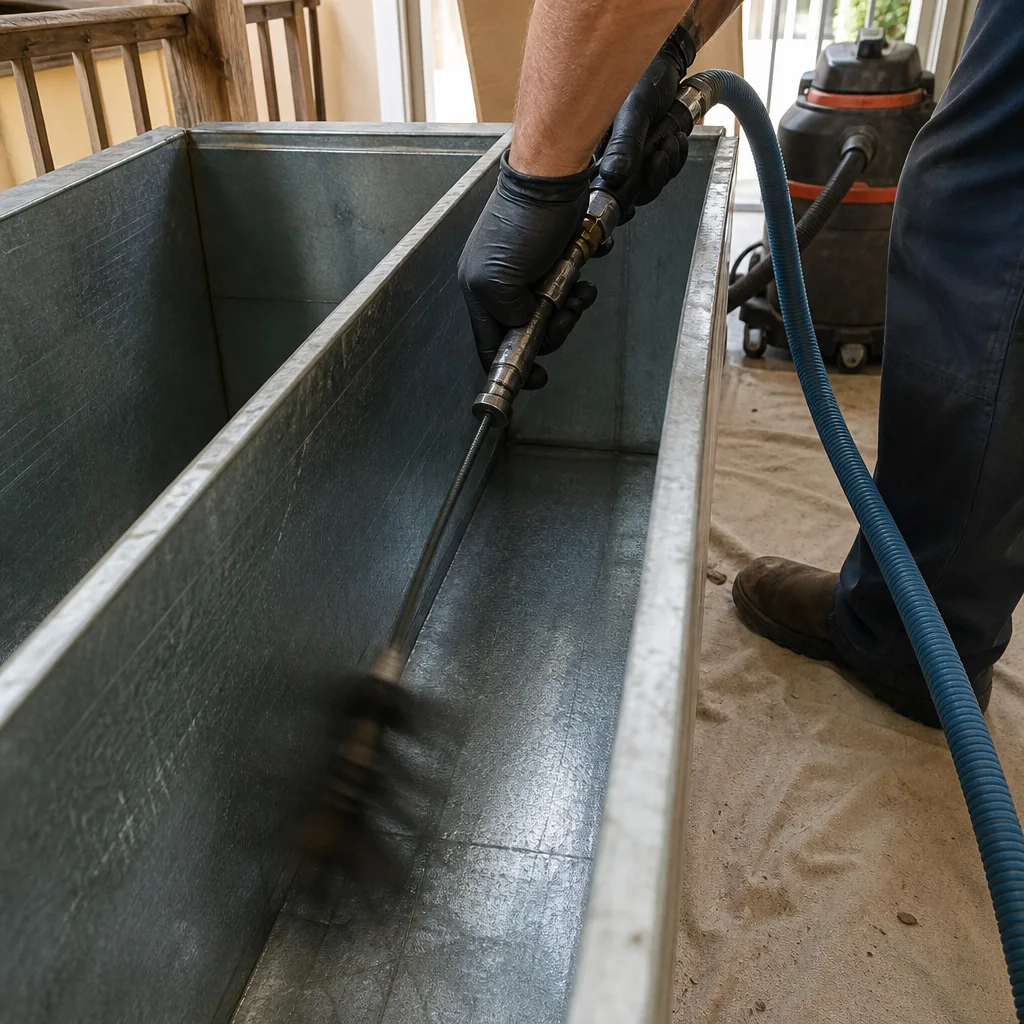
When duct cleaning is the correct solution for odor, the method matters. Surface vacuuming of registers doesn’t reach the trunk lines where organic material accumulates. Professional Air Duct Cleaning in Herndon should include negative-pressure extraction, which uses a large vacuum connected to the trunk line to draw debris from the entire system while agitation tools loosen material at the duct walls. CleanRun uses Nikro and Abatement Technologies equipment for this process, with the vacuum connected at a sealed access point so debris exits the home entirely rather than redistributing.
Uneven Room Temperatures in Herndon Homes
A bedroom that’s three degrees warmer than the hallway in July is not automatically a duct problem. In Herndon’s single-family stock, particularly the rambler and split-level builds common west of Centreville Road, uneven temperatures often trace to damper position, insulation condition, or equipment sizing rather than duct cleanliness.
The Diagnostic Sequence
- Verify the basics first. Check that supply registers are open and unobstructed. Verify that return air pathways aren’t blocked by furniture or closed doors. In homes with central returns, a closed bedroom door can pressurize the room and suppress airflow even when the duct run is clean.
- Locate your duct dampers. These are small metal plates in the trunk lines, usually accessible from the basement or crawl space near the plenum. Note their position. A damper partially closed to a branch line will starve that zone regardless of duct condition.
- Run a temperature differential test. Place a thermometer at the supply register and another at the return grille in the same zone. A healthy system shows a 14-20 degree split in cooling mode. If the split is normal but room temperature remains uneven, the problem is air distribution volume (possible duct restriction) or thermal load (insulation, windows, solar gain).
- If the temperature split is low (under 12 degrees in cooling), the problem is likely at the equipment - refrigerant charge, coil condition, or blower speed - not in the ducts.
When duct restriction is the confirmed cause, the physical evidence usually appears at the boot connection (the transition from duct to register) or at the first elbow in the branch line. In Herndon homes with flex duct installed in the 1990s and 2000s, we’ve found collapsed inner cores where support straps failed, reducing a 6-inch duct to effective 3-inch diameter. The register still blows air, but volume is insufficient for the load. A camera inspection shows the collapse clearly; cleaning cannot restore diameter.
Conversely, when we do find temperature unevenness caused by debris accumulation, it’s typically in the return side. A partially blocked return trunk lowers system airflow globally, so the farthest supply runs suffer first. The symptom looks like a supply problem but originates at the return plenum. This is why CleanRun’s HVAC Cleaning in Herndon includes both sides of the system, not just supply lines.
Herndon’s climate adds a seasonal variable. Summer humidity drives condensation in unconditioned attic ductwork, particularly in homes south of Elden Street where lot sizes are smaller and attic ventilation is often marginal. Wet fiberglass insulation surrounding a flex duct degrades and sheds particles that accumulate at low points. The restriction builds gradually; homeowners notice temperature drift over two or three seasons, not suddenly. A camera inspection in late August, when humidity loading peaks, often reveals this pattern.
Visible Biological Growth at Registers
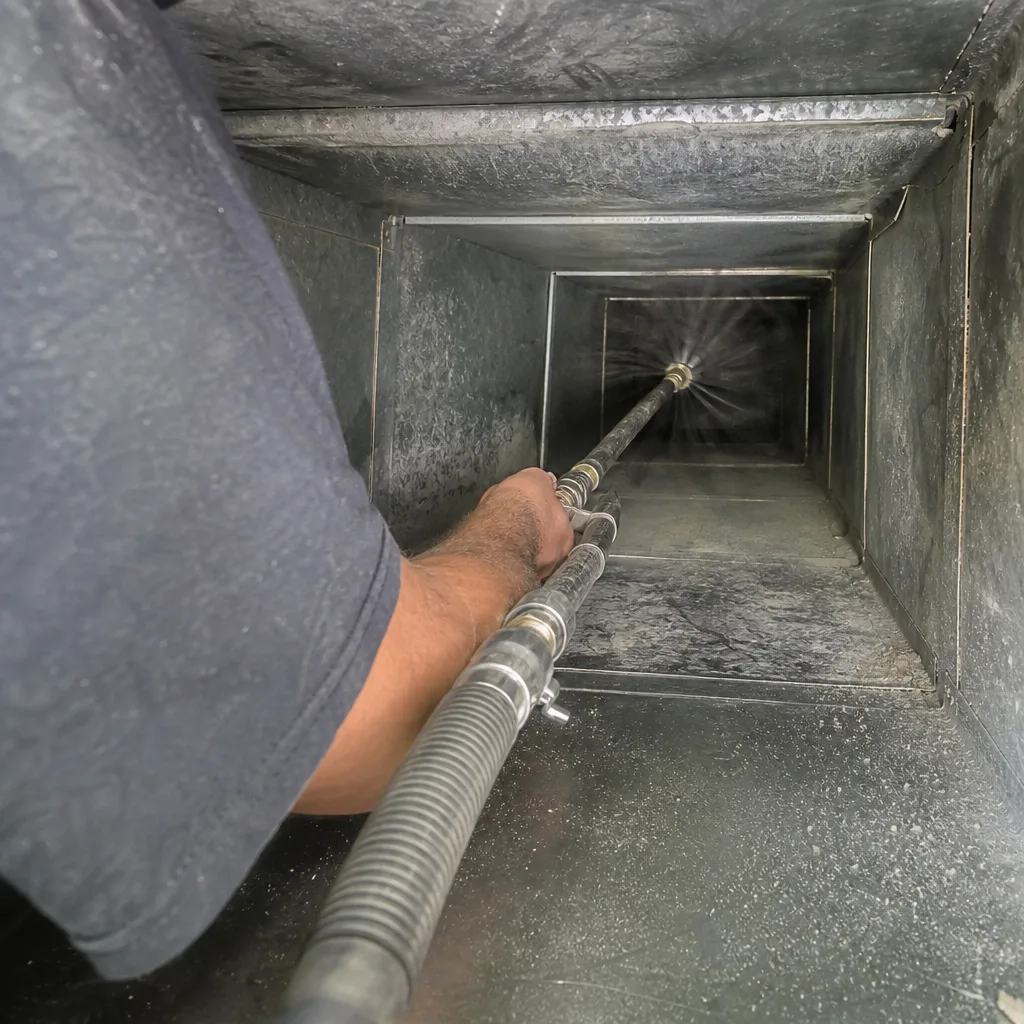
Black, gray, or white deposits at supply registers generate more anxiety than any other duct-related observation. Most of what homeowners identify as “mold” is not. Understanding the visual differences prevents unnecessary alarm and directs appropriate response.
Deposit Identification
- Black, sooty, easily smeared: Typically carbon particulate from candle burning, cooking, or outdoor air infiltration. The deposit accumulates on the register because the metal surface is cooler than room air, causing condensation that traps particles. Wipes away with damp cloth. Not biological, not a duct problem.
- Gray, fibrous, clinging to register fins: Usually degraded duct insulation or filter media passing through the system. Indicates filter failure or duct lining degradation. Requires camera inspection to locate source; may need duct repair rather than cleaning.
- White, powdery, crystalline: Mineral deposits from evaporator condensate that has carried dissolved solids. Indicates drain pan overflow or excessive humidity. Clean the register, but address the moisture source or it recurs.
- Green, black, or brown with fuzzy texture, spreading to surrounding ceiling or wall: Actual biological growth. Requires laboratory identification for proper treatment protocol. EPA-registered antimicrobial application may be needed; cleaning alone is insufficient.
In Herndon, we see a specific seasonal pattern. Homes with high-efficiency equipment installed in the last decade often run shorter, more powerful cooling cycles. The coil reaches temperature quickly and satisfies the thermostat before adequate dehumidification occurs. Summer indoor relative humidity climbs above 60%, and register surfaces - the coldest point in the room - condensate. Dust particles landing on wet metal provide substrate for growth. The problem is humidity control and cycle timing, not duct contamination.
When biological growth is confirmed inside the duct run, not just at the register surface, the treatment protocol matters. CleanRun’s approach, under Haven Standard Clause 2 (Documented Scope), specifies: mechanical removal of visible growth, HEPA vacuuming of dislodged material, and application of EPA-registered antimicrobial where laboratory identification supports it. We photograph the condition before treatment and after, with the photo record delivered as part of the job documentation. No treatment is applied blindly; the growth type determines the response.
Homeowners sometimes ask about UV light installation as prevention. UV-C devices mounted at the coil can suppress growth at that location, but they do not sterilize moving air in duct runs. The EPA does not certify UV products for duct disinfection. We install Honeywell and Aprilaire air quality equipment where appropriate, but we specify what each device actually does rather than sell hope.
Documentation Protocol for Homeowners
The most useful pre-visit information a homeowner can provide is organized visual evidence. A technician arriving with context saves diagnostic time and reduces trial-and-error exploration of your system. More importantly, a documented record protects you if conditions worsen and you need to demonstrate progression for warranty or insurance purposes.
The Homeowner Log Format
- Photograph each register condition. Use your phone’s timestamp. Include a common object (coin, key) for scale. Capture straight-on and angled views to show depth of deposit. Flash on, not off - shadow hides texture.
- Log the tissue test results. Photograph the tissue against white paper. Note date, time, outdoor temperature, and how long the system had been running before test start.
- Record odor observations with context. Date, time, weather conditions (barometric pressure changes affect odor perception), which rooms affected, and whether the blower was running. Note if the odor correlates with any household activity: cooking, laundry, recent rain.
- Track temperature readings. Simple infrared thermometer readings at each supply register during active heating or cooling, recorded on a floor plan sketch. A hand-drawn diagram with numbers is more useful than a spreadsheet; it shows spatial patterns.
- Preserve filter history. Photograph each filter at removal, with date written on the frame. Note brand, MERV rating, and any visible bypass gaps.
Store this record in a dedicated folder, digital or physical. When you call for service, offer to share it. At CleanRun, we request this documentation before scheduling when the homeowner mentions warning signs. It allows us to bring appropriate equipment - camera scope length, agitation tool type, access panel size - on the first visit rather than discovering needs after arrival.
The documentation also serves as your baseline after service. If you perform the tissue test monthly and photograph results, you have objective evidence of whether cleaning produced lasting improvement or temporary change. Our 365-Day Done Right Promise is backed by this record; if dust loading returns within a year due to incomplete cleaning, the photo comparison makes the case without dispute.
HVAC-Specific Warning Signs
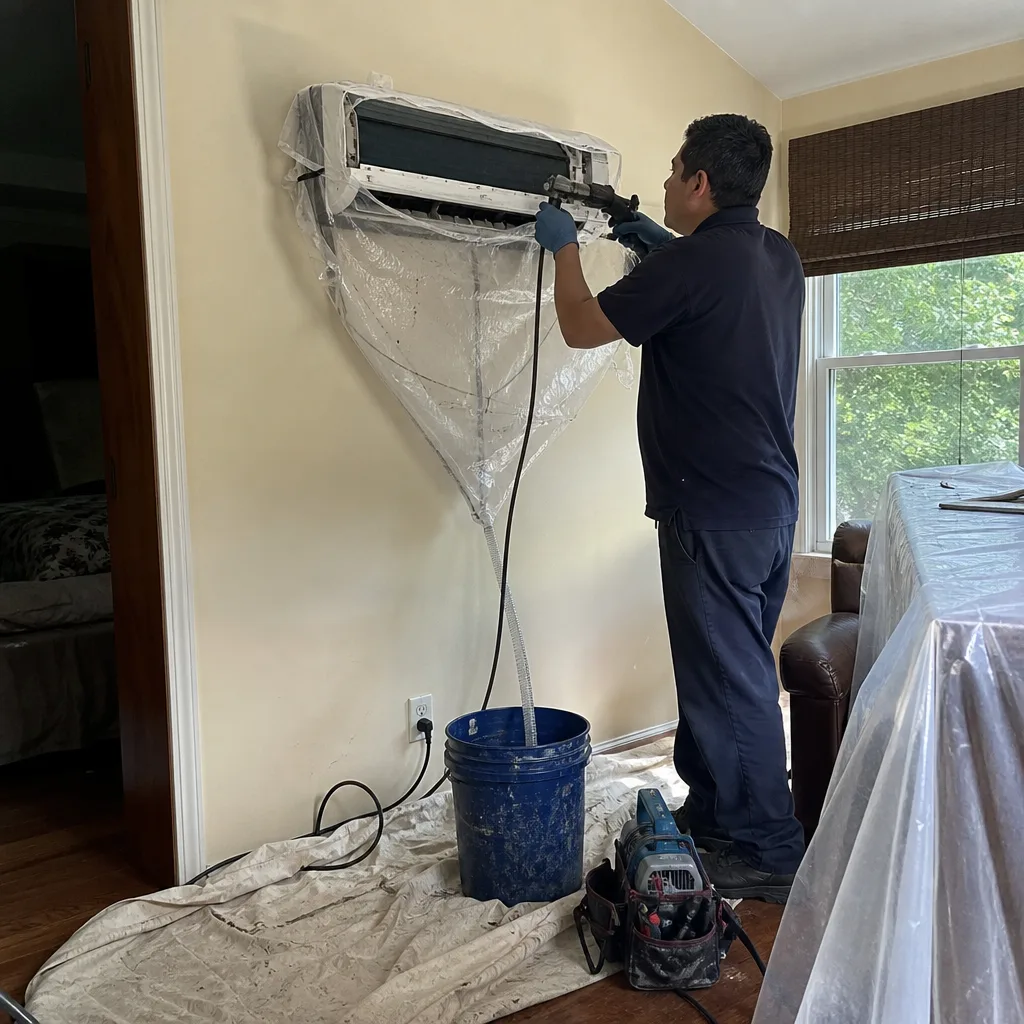
Some indicators connect to the full system rather than ducts alone. These warrant mention because homeowners often attribute them to dirty ducts when the cause lies elsewhere.
Short cycling - equipment starts and stops frequently without reaching set temperature - can indicate a dirty evaporator coil restricting airflow, a failing capacitor, or an oversized system. None of these respond to duct cleaning. A dirty filter can mimic the symptom; check that first.
Unusual blower noise, particularly a rumble or vibration that changes when you press on the ductwork near the air handler, often indicates a loose blower wheel or deteriorating motor mount. The sound transmits through duct runs and seems to come from everywhere. Cleaning doesn’t address mechanical failure.
Water stains near the indoor unit in basement or closet installations indicate condensate management failure. In Herndon homes with original construction on slabs near the old town center, we’ve found drain lines that settled and reversed pitch, causing overflow that homeowners mistook for duct leakage. The water follows duct paths because they’re the low point, but the source is the drain.
Static pressure readings above manufacturer specification - measured with a manometer by a technician - indicate system restriction. The restriction could be a clogged filter, collapsed flex duct, closed damper, or debris accumulation. Cleaning helps only when debris is the confirmed cause. We measure static pressure before and after every Air Duct Cleaning in Herndon to verify that the service produced measurable improvement, not just perceptible change.
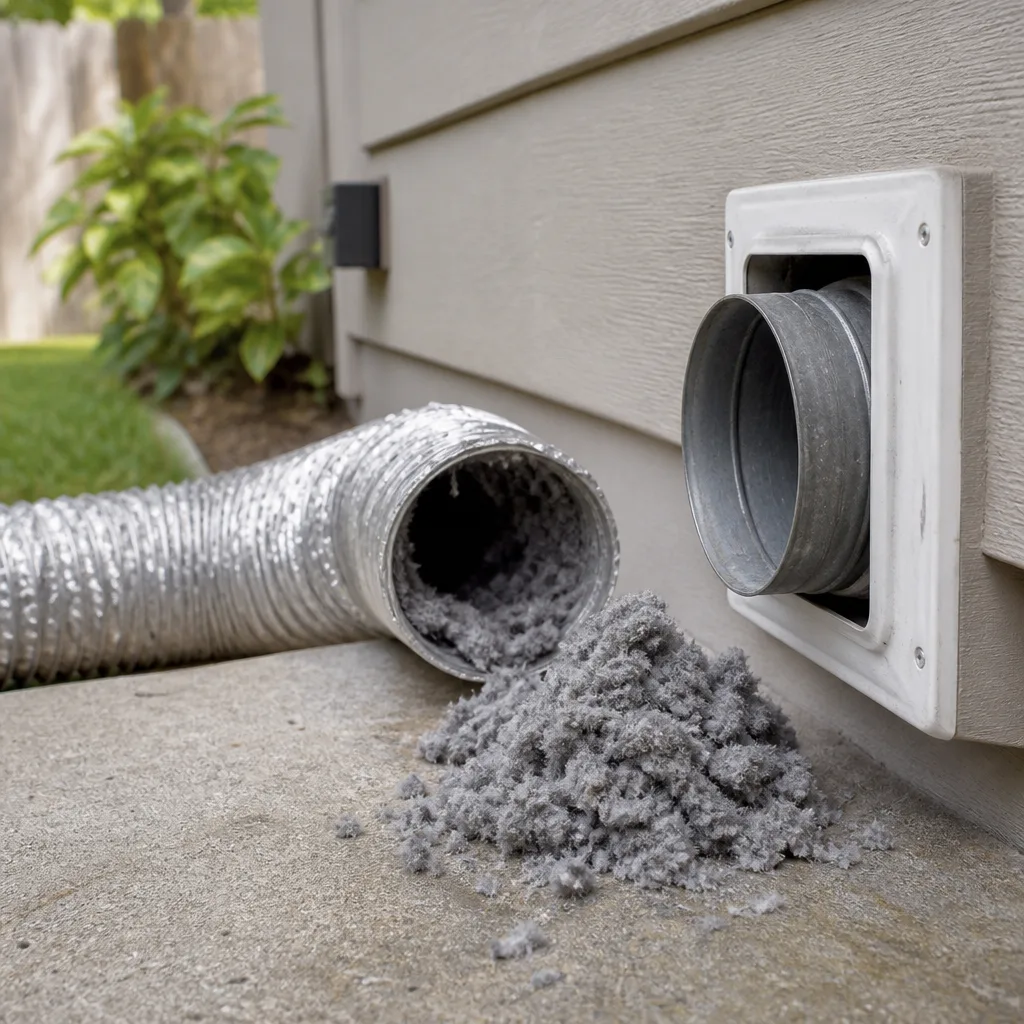
Dryer vent conditions sometimes parallel duct symptoms. Lint accumulation in the dryer duct restricts airflow, extends drying times, and creates fire hazard. The warning signs - longer cycles, hot exterior of the dryer, lint at the exterior termination - are distinct from HVAC duct issues but worth monitoring simultaneously. Dryer Vent Cleaning in Herndon uses different equipment and access points; bundling the services saves trip cost but shouldn’t confuse the two systems.
Common Mistakes to Avoid
- Treating register dust as automatic evidence of dirty ducts. Wipe the register, run the tissue test, and wait 48 hours. Most “dusty duct” calls we receive in Herndon resolve to normal room air circulation once this simple check is performed.
- Assuming a new HVAC installation included duct cleaning. Replacement contractors rarely clean existing ductwork. We’ve found construction debris from the 1980s still circulating in homes that received their third equipment change in 2022. The ducts outlast multiple generations of equipment.
- Using ozone generators or fogging treatments as DIY prevention. EPA does not certify these devices for in-duct use, and ozone at concentrations that affect biological growth exceeds safe human exposure limits. The “fresh air” smell is oxidized material, not cleanliness.
- Ignoring the return side. Homeowners photograph supply registers because they’re visible. Return grilles are often hidden in hallways or behind doors, and the return trunk accumulates more debris because it’s under negative pressure, drawing air and particulate inward. A complete assessment requires both sides.
- Accepting per-vent pricing without system assessment. A home with twelve registers and four return grilles has variable duct complexity. Pricing by the vent ignores trunk line length, access difficulty, and actual contamination level. CleanRun provides one flat price per system, agreed in writing before work starts, based on square footage and system configuration - Haven Standard Clause 1.
- Expecting duct cleaning to solve equipment problems. A failing compressor, refrigerant leak, or undersized duct design won’t respond to debris removal. The symptom pattern must match the physical cause.
- Neglecting to request documentation. Without before-and-after photos, you have only the technician’s word that work was performed thoroughly. CleanRun’s Documented Photo Record on Every Visit, included as standard since 2013, delivers evidence you can review and retain.
When to Call a Professional
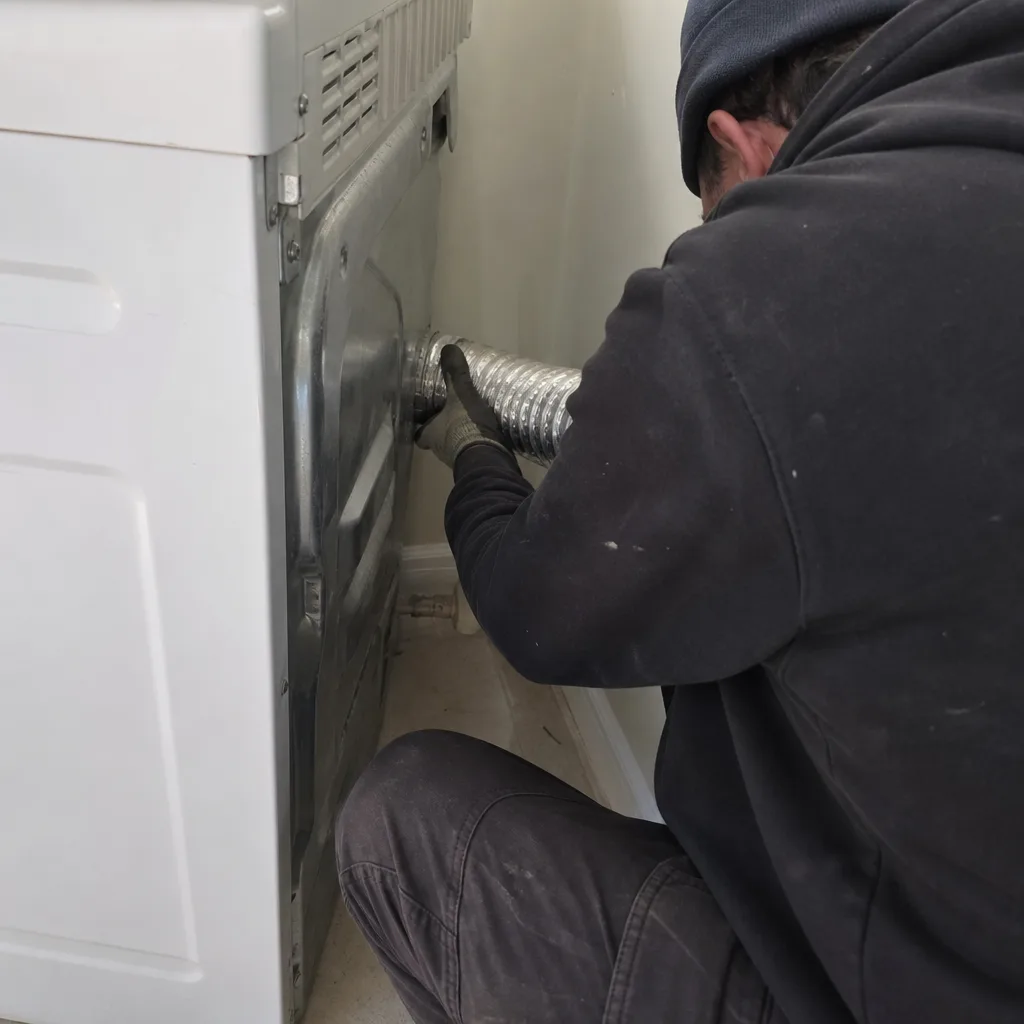
Call for evaluation when: the tissue test shows active particulate transport at multiple registers; odors persist after you’ve eliminated filter, coil, and drain pan causes; temperature unevenness correlates with specific duct branches and persists after verifying dampers and returns; or you observe growth at registers that matches biological rather than dust characteristics.
CleanRun Air Duct Cleaning Herndon offers free estimates in Herndon - call (571) 520-6317. Every estimate includes a written price before any work begins, and our Free Second Opinion on Any Written Estimate means you can bring a competitor’s quote for direct comparison. Technicians are background-checked and uniformed, identified by name before arrival under Haven Standard Clause 3: Verified Crews. The license number is published on every proposal, not buried in a footer.
Frequently Asked Questions
Whole-system air duct cleaning in Herndon typically ranges from $450 to $850 for single-family homes between 1,500 and 3,500 square feet, depending on system configuration, accessibility, and whether dryer vent or HVAC cleaning is bundled. CleanRun delivers one flat price per system in writing before work starts - no per-vent add-ons, no post-arrival surprises. Call (571) 520-6317 for an exact quote; estimates are free.
Low quotes usually reflect limited scope: register vacuuming only, no trunk line access, no camera inspection, no photo documentation, and equipment that doesn’t achieve negative pressure sufficient to move debris from duct walls. The $79 coupon model relies on upselling after arrival to reach viable economics. Ask any provider specifically: will you photograph inside every duct run before and after, will you clean both supply and return trunks, and is the quoted price the full price? If any answer is no, the apparent savings are illusory.
Demand a documented photo record of every duct run, before and after, with timestamps. CleanRun includes this as standard on every visit, delivered as part of the job record. Without it, you’re trusting a technician’s verbal report about conditions inside walls and ceilings you cannot access yourself. The photo record is also your baseline for future comparison if conditions recur.
For most Herndon homes with standard fiberglass filters changed quarterly, professional cleaning is warranted when warning signs appear - typically every 5 to 7 years. Homes with pets, recent construction, or occupants with respiratory sensitivity may need more frequent attention. The tissue test and register inspection described in this guide tell you when it’s time better than any calendar interval.
Surface cleaning of registers and visible boot areas is reasonable homeowner maintenance. Cleaning inside duct runs requires professional negative-pressure equipment to prevent debris redistribution, and access tools that don’t damage duct lining. More critically, flex duct and fiberglass-lined metal duct can be torn by improper agitation, creating leaks that degrade system performance. For the duct run interior, professional service is the appropriate choice.
Yes. Herndon’s pollen seasons - tree pollen March through May, grass pollen May through June, and ragweed August through October - load filters heavily and increase particulate that bypasses filtration. Summer humidity, regularly exceeding 70% in July and August, supports biological growth in systems with inadequate dehumidification. Homes near construction zones in the expanding areas west of Route 28 see additional dust loading from disturbed soil. These factors don’t mandate fixed-interval cleaning, but they mean Herndon homeowners should monitor warning signs more actively than in drier, less vegetated climates.
The Bottom Line
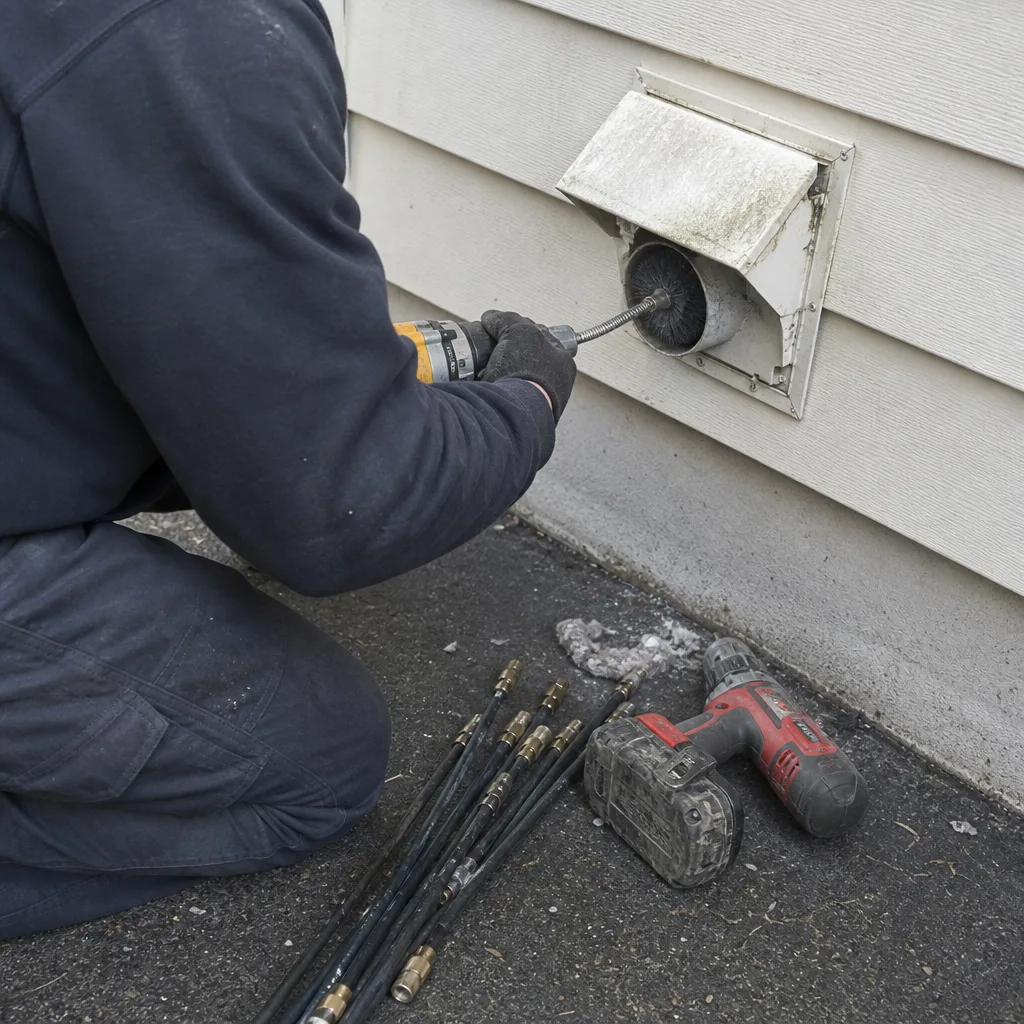
Warning signs that matter are observable, testable, and documentable. Dust that returns within 48 hours. Odors that map to specific system components. Temperature patterns that correlate with duct branches, not equipment age. Growth that matches biological rather than dust characteristics. Each has a physical cause that can be named and often photographed before a technician arrives. The homeowner who performs simple diagnostics and maintains a log gets accurate service, avoids unnecessary work, and builds a record that protects their investment. CleanRun has operated under this evidence-first approach since 2013, with 52,000-plus homes served, every one with a written price before work started and a documented photo record when the crew left. Explore more guides & resources for maintaining healthy indoor air.
Written by Tomas Reyes, Owner at CleanRun Air Duct Cleaning Herndon, serving Herndon since 2013.