
Last updated September 23, 2026
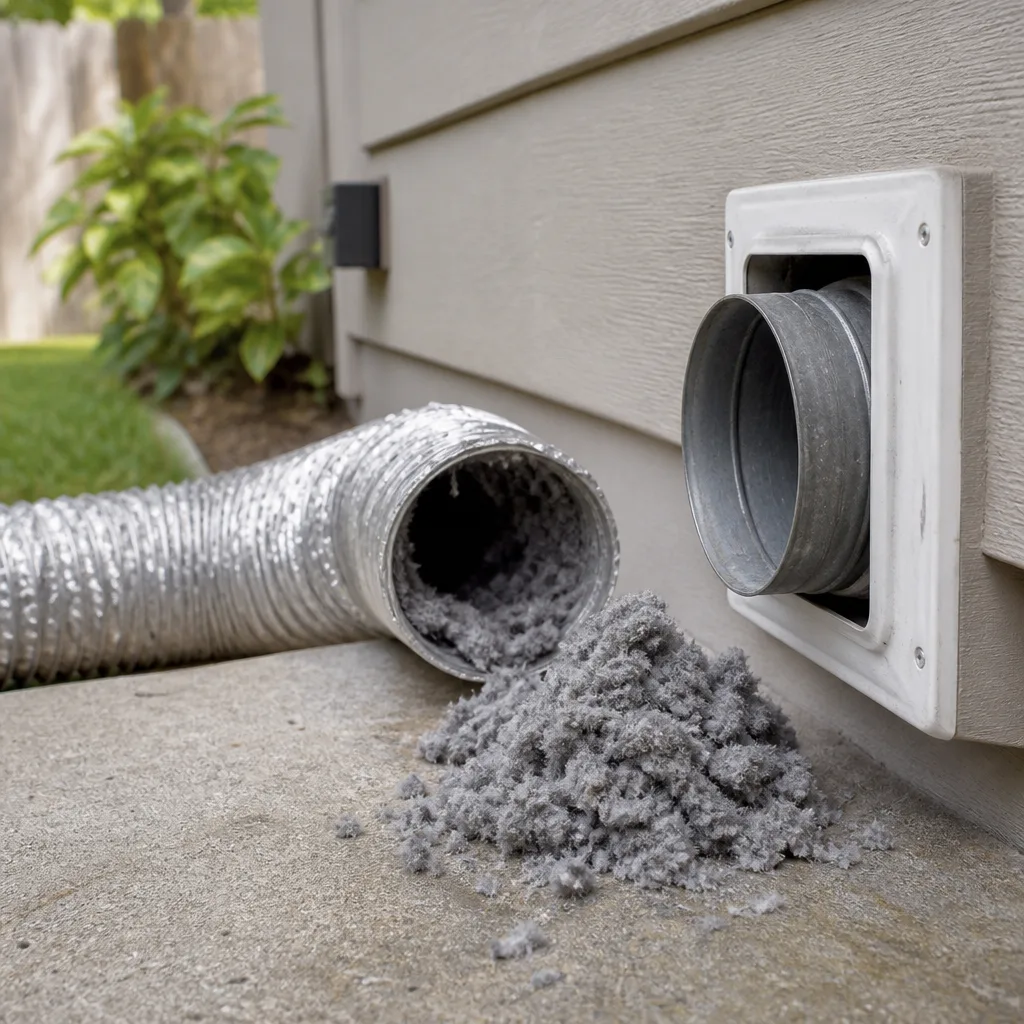
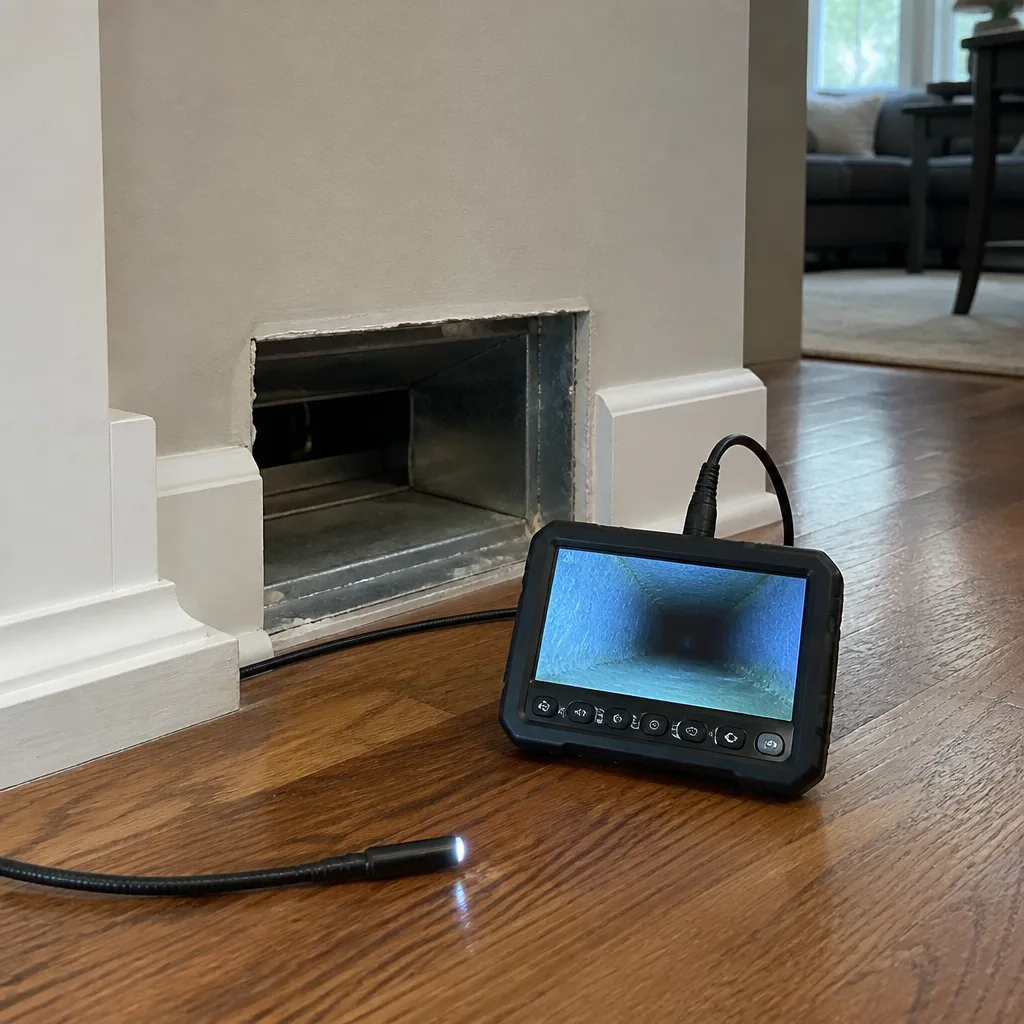
Whole-system duct and dryer vent check with before-and-after photos - you see exactly what came out of your vents
That "$99 whole-house special" is a bait ad - the real number appears once they are in your hallway, or the "clean" is a shop-vac at the register. We photograph the inside of your ducts before and after instead.
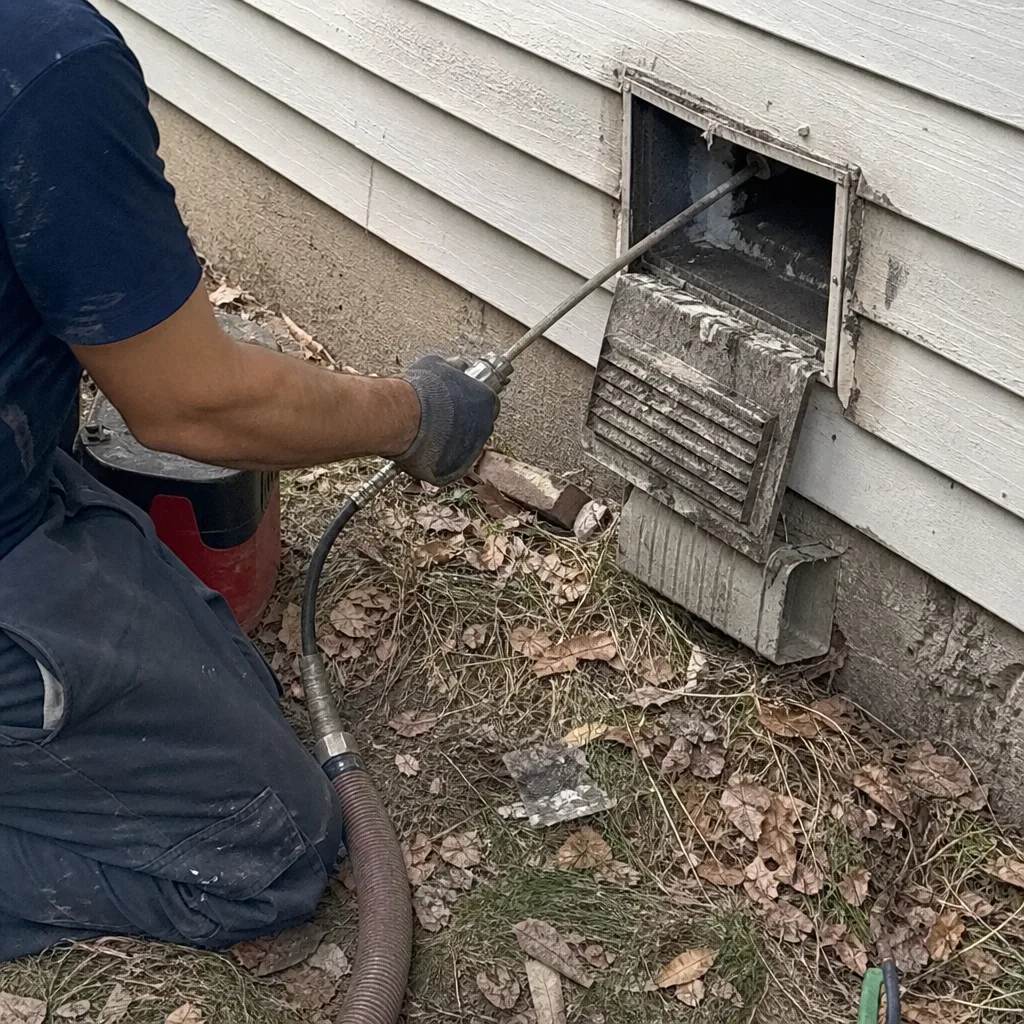 Before
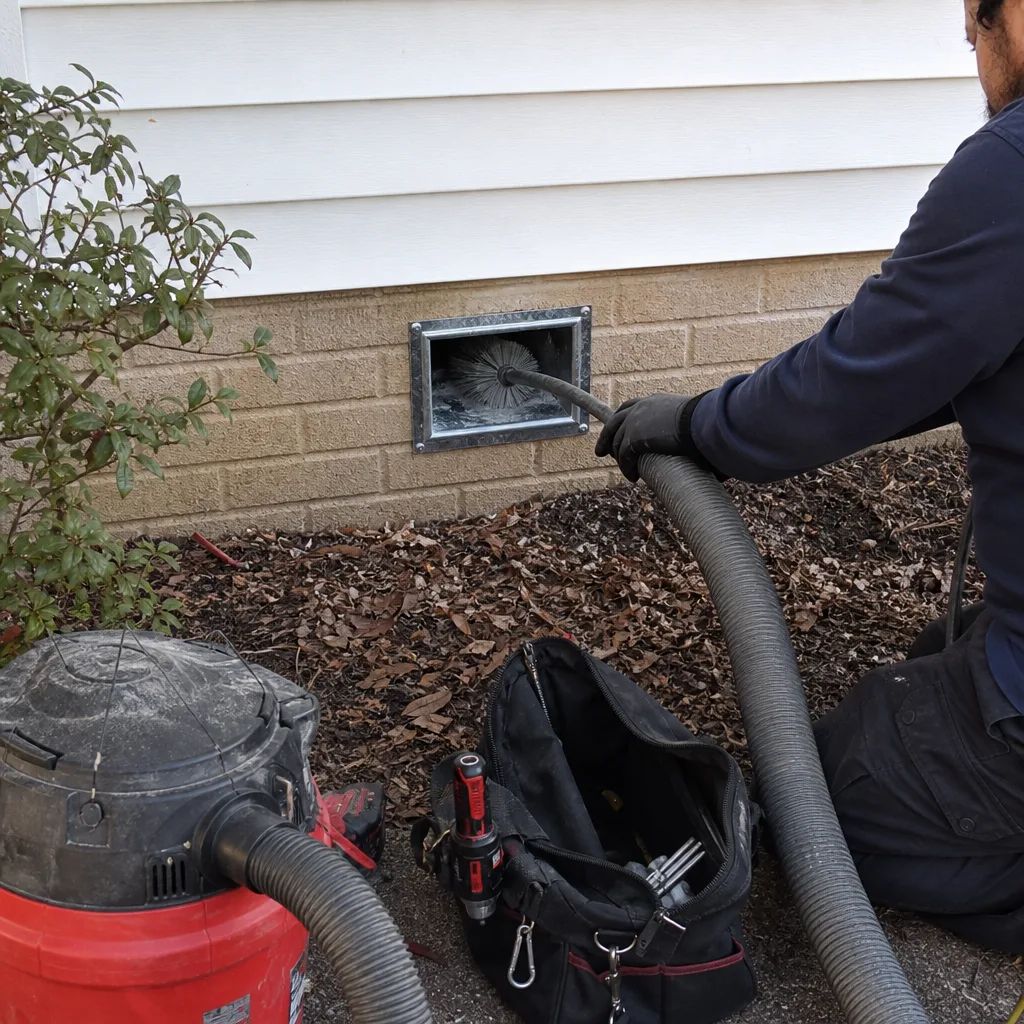 After
After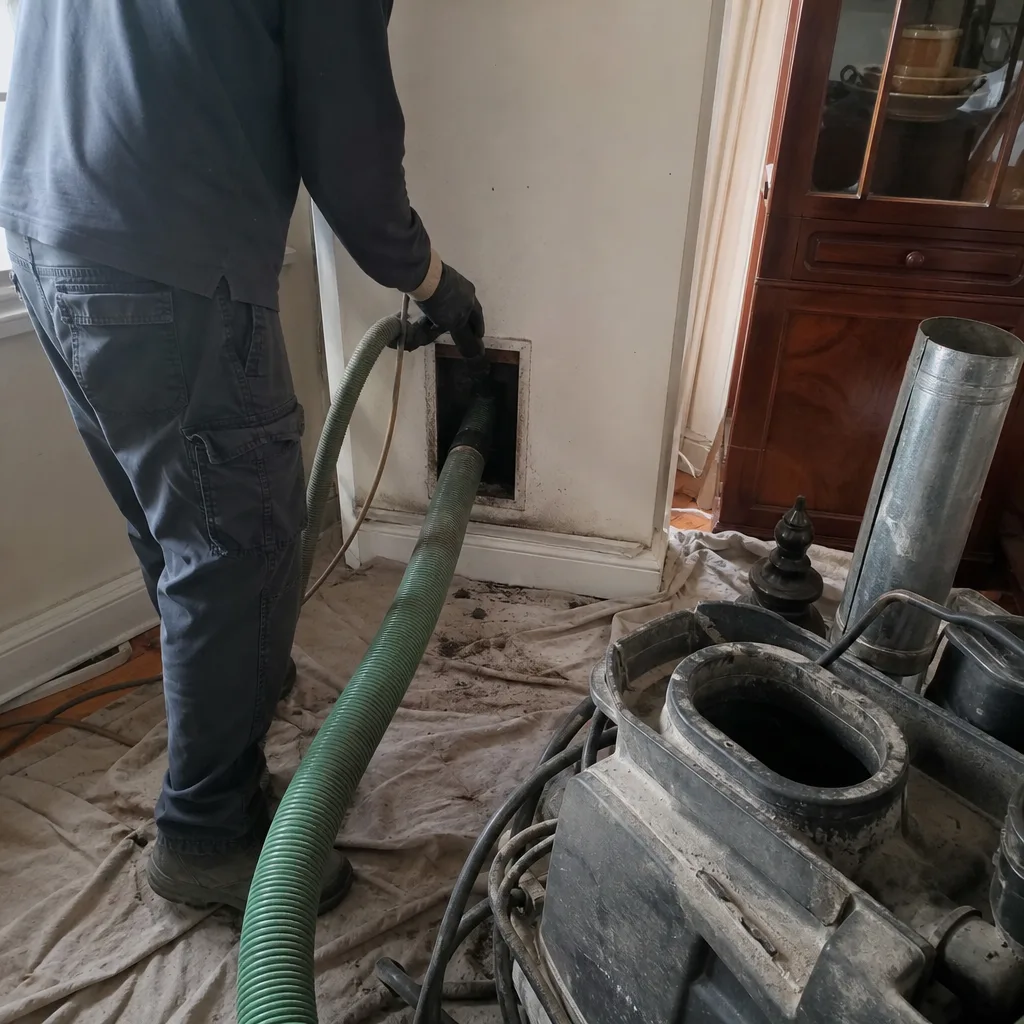 Before
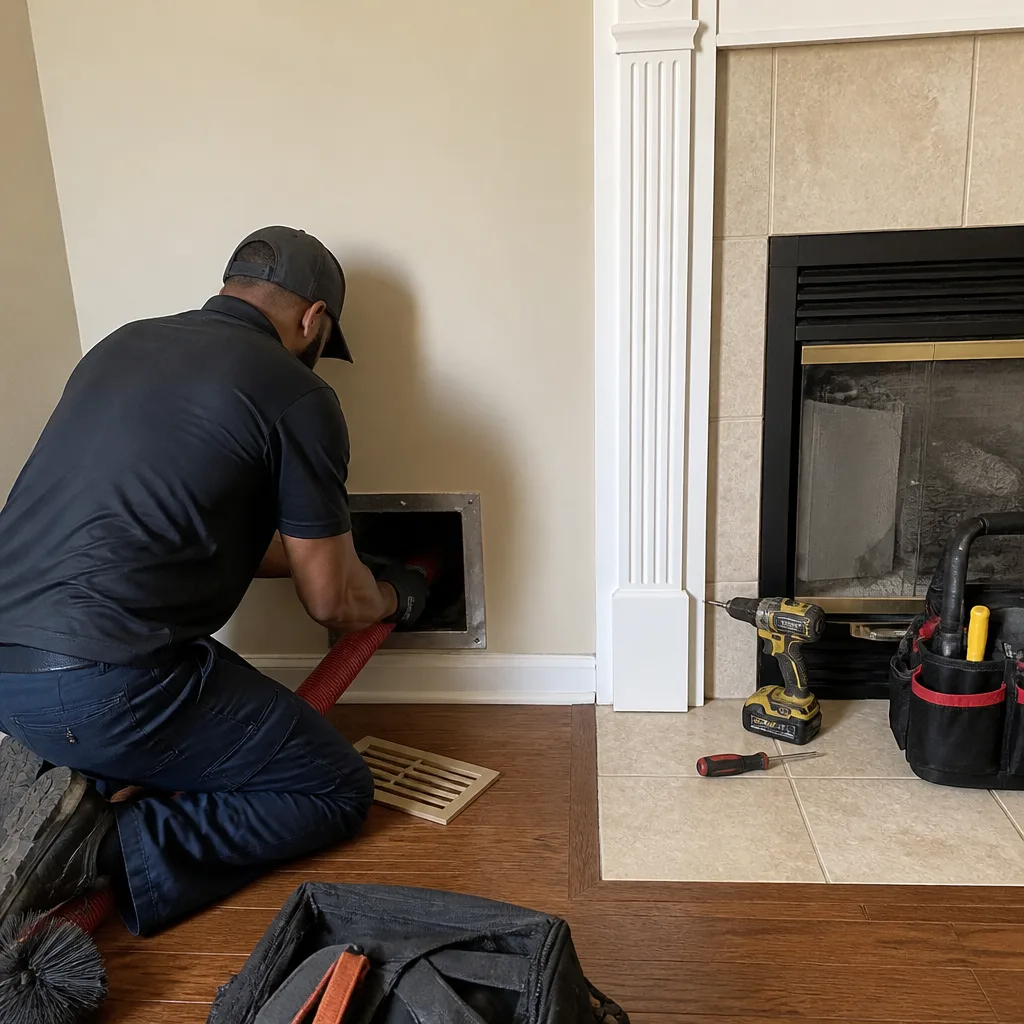 After
After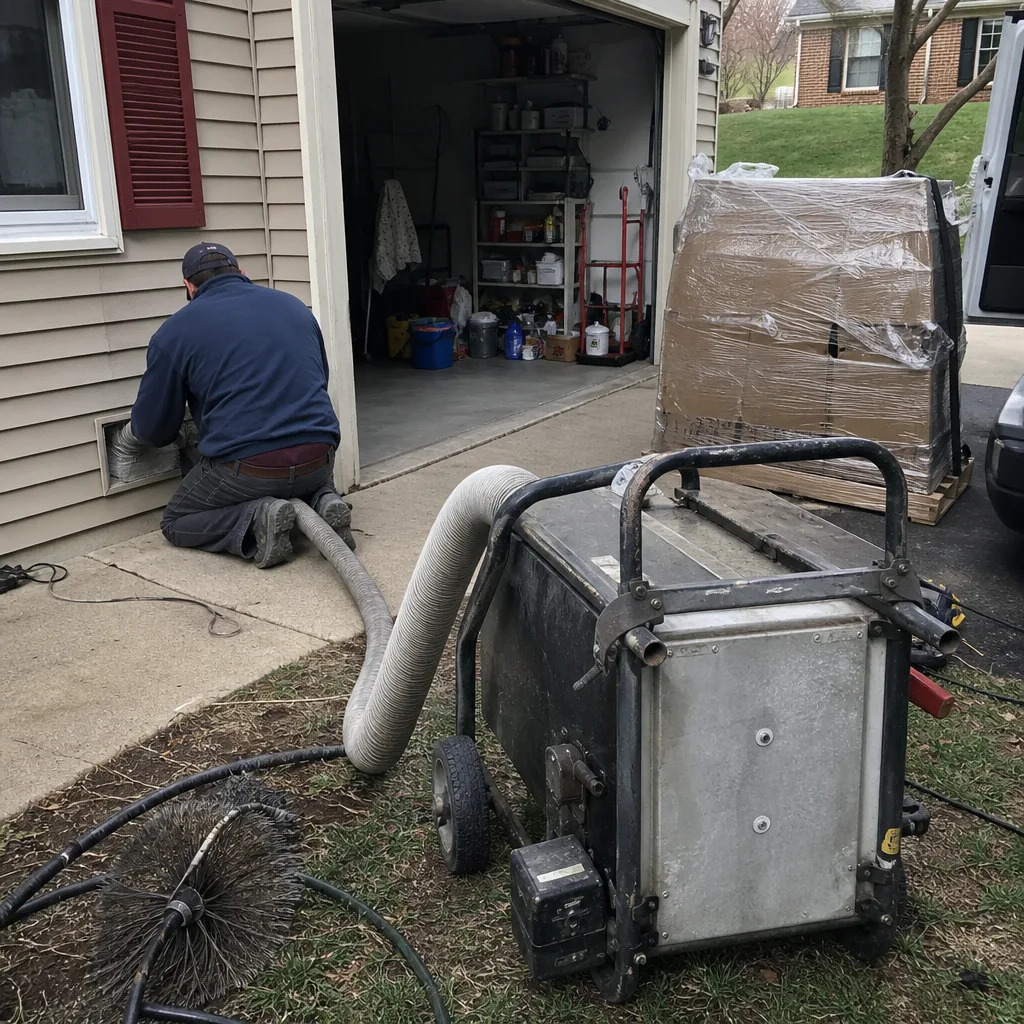 Before
 After
AfterAir Duct Cleaning Permits, Codes & Inspections in VA: What You Need to Know
Here’s the regulatory trap most homeowners in Herndon never see coming: your duct cleaning appointment starts as maintenance, but once the camera reveals separated seams at the plenum or collapsed flex duct in the attic, the work may have crossed into mechanical alteration territory. Virginia’s Uniform Statewide Building Code treats these two categories differently, and the contractor who doesn’t know the line could leave you without proper documentation when you sell your home or file an insurance claim. In this guide, we’ll map exactly where Virginia law draws that line, what Fairfax County requires for Herndon properties, and which paperwork you should keep regardless of who does the work. For a deeper dive into the service itself, see our Air Duct Cleaning overview.
Quick Answer
Air duct cleaning alone - the removal of dust and debris from existing ductwork using negative-pressure extraction or rotary brush systems - does not require a permit under Virginia’s Uniform Statewide Building Code. However, if the work involves duct repair, sealing, modification, or replacement of any component, it may trigger mechanical permit requirements under USBC Section M1307 and Fairfax County’s amended mechanical code. Encapsulation and mold remediation inside ductwork fall under separate Virginia DPOR regulations and may require additional contractor licensing.
Table of Contents
- How Virginia’s Uniform Statewide Building Code Treats Duct Work
- Fairfax County Mechanical Permits: What Herndon Homeowners Need to Know
- Cleaning vs. Repair vs. Modification: Where the Permit Line Actually Is
- Encapsulation, Mold Remediation, and DPOR Regulations
- The Documentation You Should Keep After Any Duct Work
- When “We Don’t Pull Permits” Is Correct vs. a Liability
- Common Mistakes to Avoid
- When to Call a Professional
- Frequently Asked Questions
BeforeAfterHow Virginia’s Uniform Statewide Building Code Treats Duct Work
Virginia operates under the Uniform Statewide Building Code (USBC), currently enforced under the 2021 edition with 2022 amendments. The code governs all construction, alteration, and repair work in the Commonwealth, but its application to air duct systems depends entirely on how the work is classified.
USBC Section M1307 addresses heating, ventilation, and air conditioning systems, including ductwork. The critical distinction lives in the definitions:
- Maintenance - cleaning, adjusting, or servicing existing components without altering their design, capacity, or function. No permit required.
- Alteration - any change, addition, or modification to the mechanical system that affects its operation, capacity, or safety. Permit required.
- Repair - the reconstruction or renewal of any part of an existing system for the purpose of its maintenance. This is the gray zone.
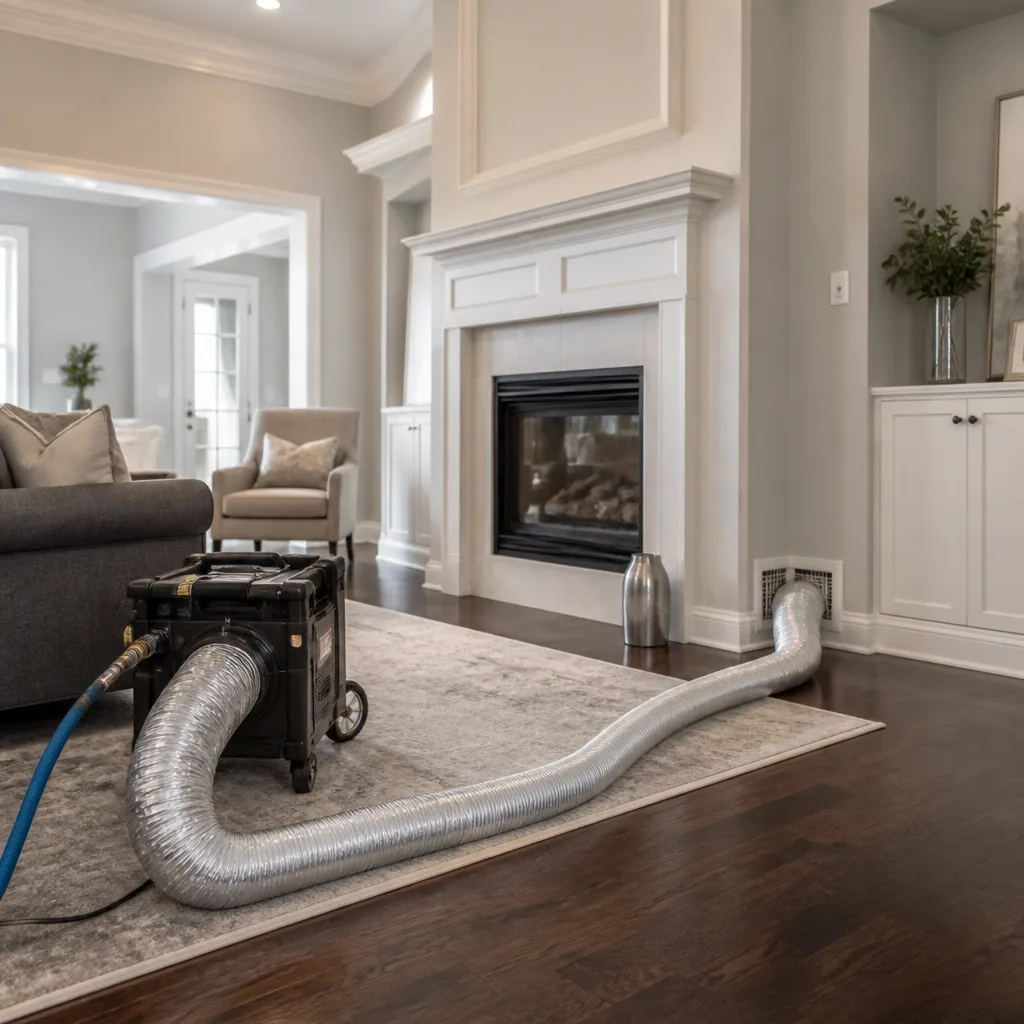
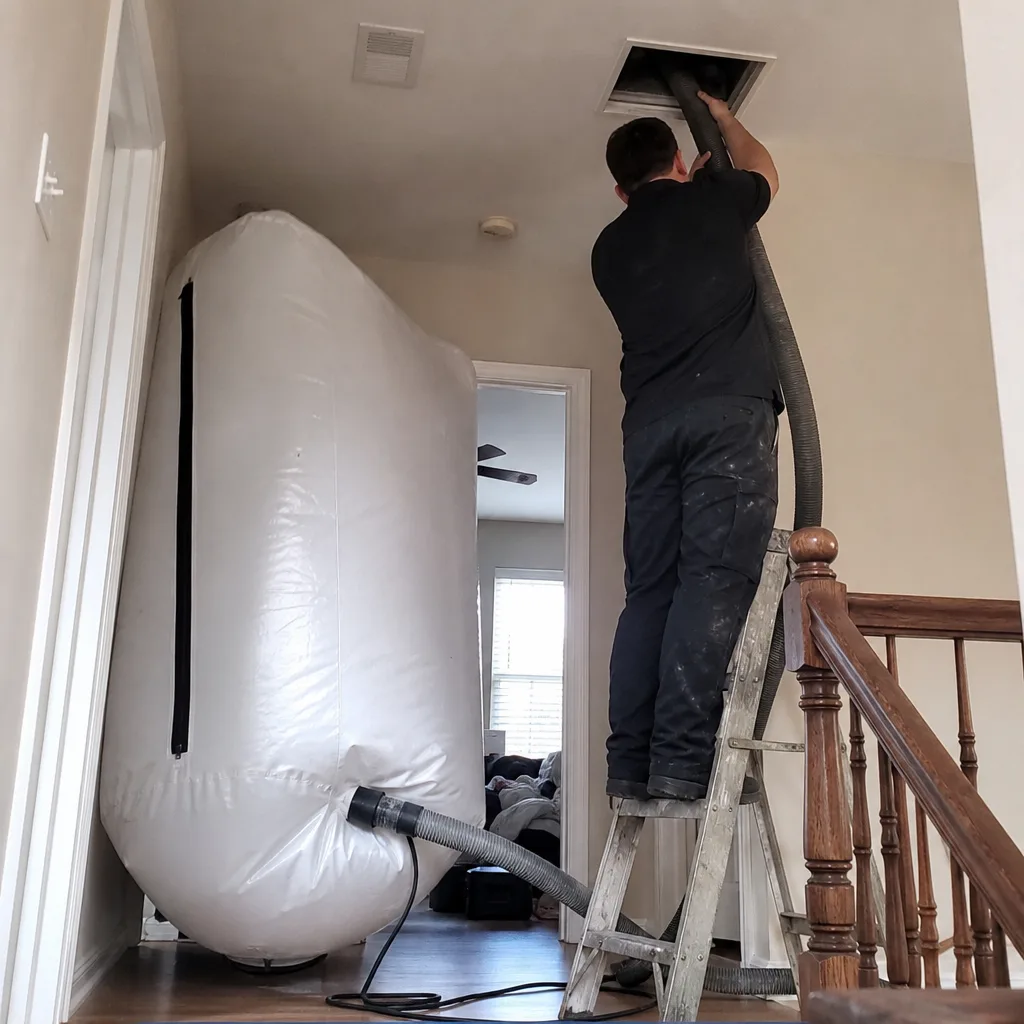
The Virginia Department of Housing and Community Development (DHCD), which administers the USBC, has issued guidance that routine cleaning of ductwork - including the use of rotary brush systems like the Rotobrush models we deploy, or negative-pressure extraction equipment from Nikro and Abatement Technologies - falls squarely under maintenance. The equipment enters the existing duct run (the continuous path from plenum to register), agitates and removes debris, and exits without changing the system’s design.
But here’s where Herndon’s housing stock complicates the picture. Many homes in neighborhoods like Dranesville Hills, Franklin Farm, and the older sections near downtown Herndon were built between 1970 and 2000 with original flex duct that has degraded past the point where cleaning alone is advisable. When our camera shows a duct run with multiple seam separations, collapsed sections, or rodent damage, the scope of work shifts. Replacing that flex duct, reconfiguring the plenum connection, or installing new dampers crosses from maintenance into alteration or repair - and that’s where USBC M1307 requires a permit.
We’ve seen this scenario repeatedly in Herndon homes built during the 1980s construction boom. The homeowner schedules Air Duct Cleaning in Herndon expecting a straightforward maintenance visit. Our documented photo record reveals a 4-inch gap at the main trunk connection, blowing conditioned air directly into the attic. Cleaning the debris from that duct run without addressing the separation would be negligent - but fixing it properly means the work may now require permitting.
The USBC also references NFPA 90A and 90B standards for duct construction and installation, which become relevant when any repair work is performed. These standards govern materials, clearances, and fire resistance ratings - all items a mechanical inspector will verify if a permit is pulled.
Fairfax County Mechanical Permits: What Herndon Homeowners Need to Know
Herndon sits within Fairfax County’s jurisdiction, and the county enforces the USBC with local amendments that add specificity to permit requirements. Fairfax County’s Department of Public Works and Environmental Services (DPWES) handles mechanical permits through its Land Development Services division.
For Herndon homeowners, the practical thresholds break down as follows:
- No permit required: Cleaning of existing ductwork using mechanical agitation and vacuum extraction; filter replacement; register and grille removal for access (provided they’re reinstalled in the same location); application of EPA-registered sanitizers that do not alter duct surfaces.
- Permit likely required: Replacement of any duct section longer than 10 linear feet; modification of plenum connections; installation of new duct runs to serve additional registers; duct sealing that involves removal and reinstallation of components; installation of access panels in fire-rated assemblies.
- Permit definitely required: New duct system installation; conversion from one fuel type to another; any work affecting combustion air or ventilation for fuel-burning appliances.
Fairfax County’s permit fees for mechanical work are based on project valuation. As of 2024, a typical residential duct repair project in Herndon falls in the $50-$150 permit fee range, with inspection scheduling available through the county’s online portal. The county requires two inspections for most mechanical permits: rough-in (before concealment) and final.
There’s a practical reality worth naming. Many duct repair jobs in Herndon - especially in townhome communities like McNair Farms or the condos near Worldgate Drive - involve accessible basement or attic work that can be completed in a single day. The permit process adds 3-5 business days for plan review and inspection scheduling. Some contractors skip it. Some homeowners don’t know to ask. But when that work later surfaces in a pre-sale inspection or an insurance claim for water damage traced to improper duct installation, the absence of permit documentation becomes a material problem.
We’ve handled duct repair and sealing in Herndon since 2013, and our practice is straightforward: if the scope crosses into permit territory, we pull the permit, schedule the inspection, and build the cost into our written price delivered before work starts. Haven Standard Clause 1 - written price before any work begins - means no surprise permit fees added after the fact. The customer sees the full scope, including regulatory compliance, in writing before a single panel comes off.
Cleaning vs. Repair vs. Modification: Where the Permit Line Actually Is
The regulatory language is abstract. The work inside your walls is concrete. Here’s how the categories play out in actual homes we’ve serviced in Herndon, with specific examples from our documented photo records.
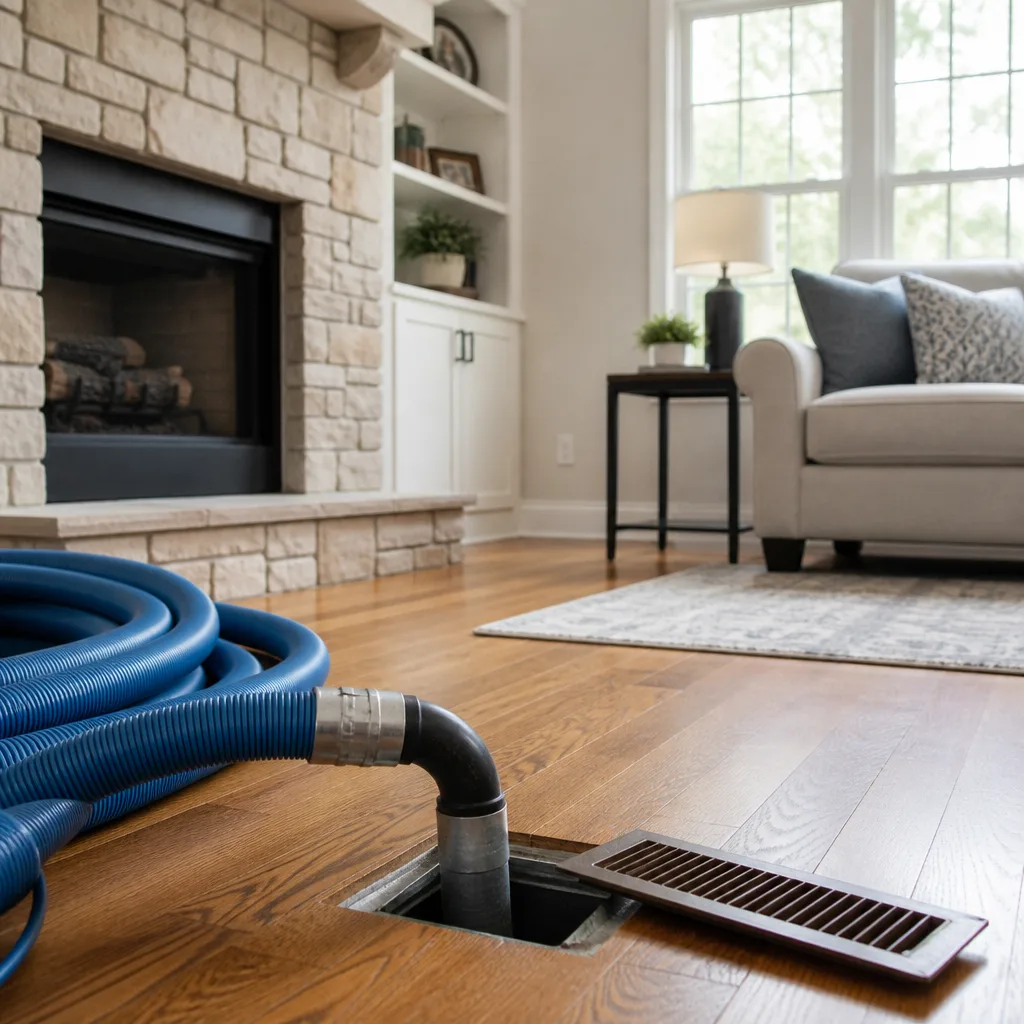
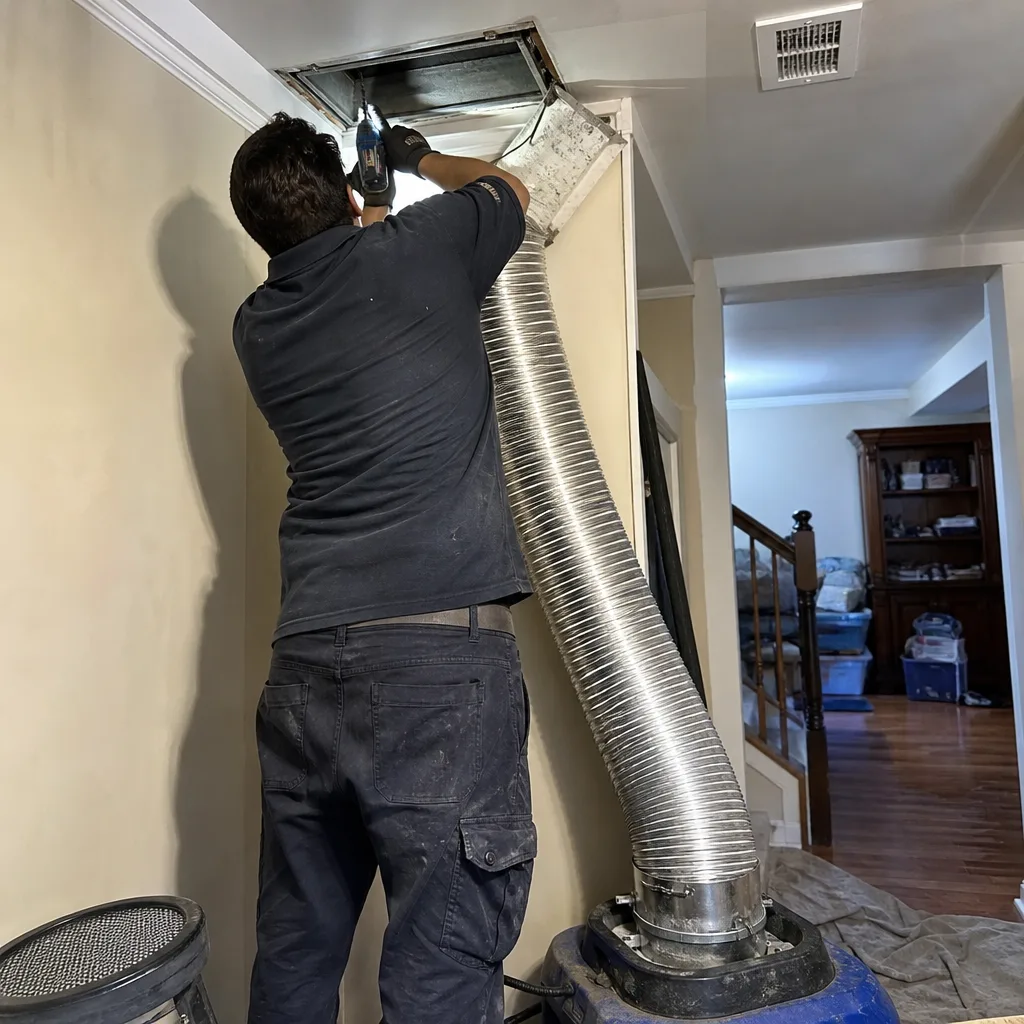
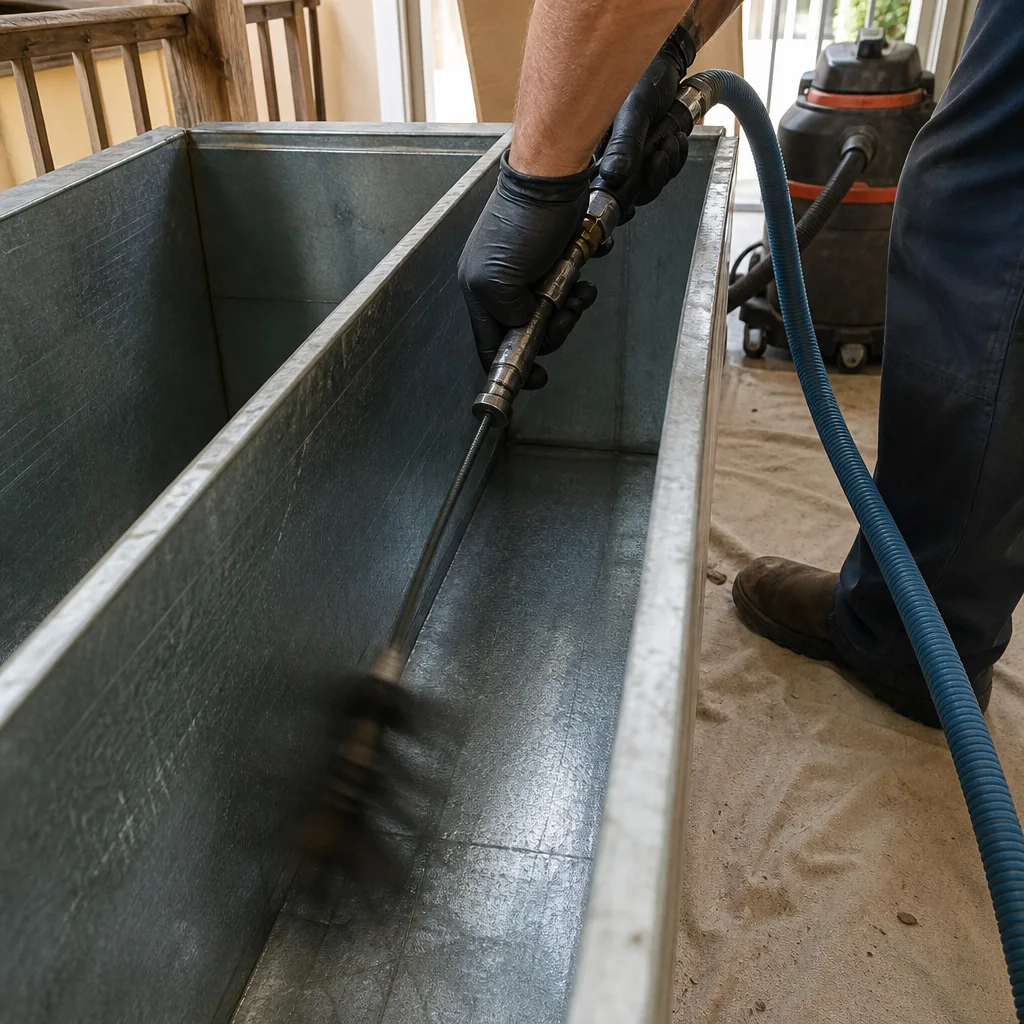
Cleaning (no permit): A rotary brush system - we use Rotobrush equipment for this - travels through each duct run from register to plenum, dislodging debris that is then extracted via negative-pressure vacuum (suction applied to the entire system to prevent debris release into the home). The brush head, vacuum hose, and camera enter and exit. No components are altered, removed, or replaced. The system’s design, capacity, and airflow characteristics remain unchanged.
We’ve performed this work thousands of times in Herndon. A typical single-family home in the Fox Mill Estates area, built in 1995 with a standard trunk-and-branch duct layout, takes 3-4 hours. The photo record shows the interior of each run before and after. The homeowner receives documentation of what was found and what was removed. No permit, no inspection, no regulatory complexity.
Repair (permit gray zone): During cleaning of a home in the Parcher Avenue area of Herndon, our camera revealed a disconnected return duct in the crawl space, pulling unconditioned air and rodent droppings directly into the system. Reconnecting that duct required new mechanical fasteners, mastic sealant, and support strapping. The work restored the system to its original design - but it involved physical alteration of connections that had failed.
Fairfax County’s interpretation, confirmed in a 2019 staff memo, is that repair of existing components to restore original function does not require a permit if the work does not extend beyond the original scope. But if the repair involves replacement of materials, reconfiguration, or extension of the system, permitting applies. In this case, we pulled a mechanical permit because the disconnected section required new flex duct replacement, not merely reconnection.
Modification (permit required): A homeowner in the Franklin Farm area asked us to add a supply register to a finished basement room that had never been served by the existing system. This required extending the main trunk, installing a new takeoff, running new ductwork, and balancing airflow. This is unambiguously new work under USBC M1307 and Fairfax County’s amended code. We prepared the permit application, coordinated the rough-in inspection, and completed the final inspection before ceiling restoration.
The distinction matters for your records. Cleaning documentation - your photo record, invoice, and scope description - supports maintenance history. Permit documentation, including the approved plans and inspection sign-offs, supports code compliance and becomes part of your property’s official record with Fairfax County.
Encapsulation, Mold Remediation, and DPOR Regulations
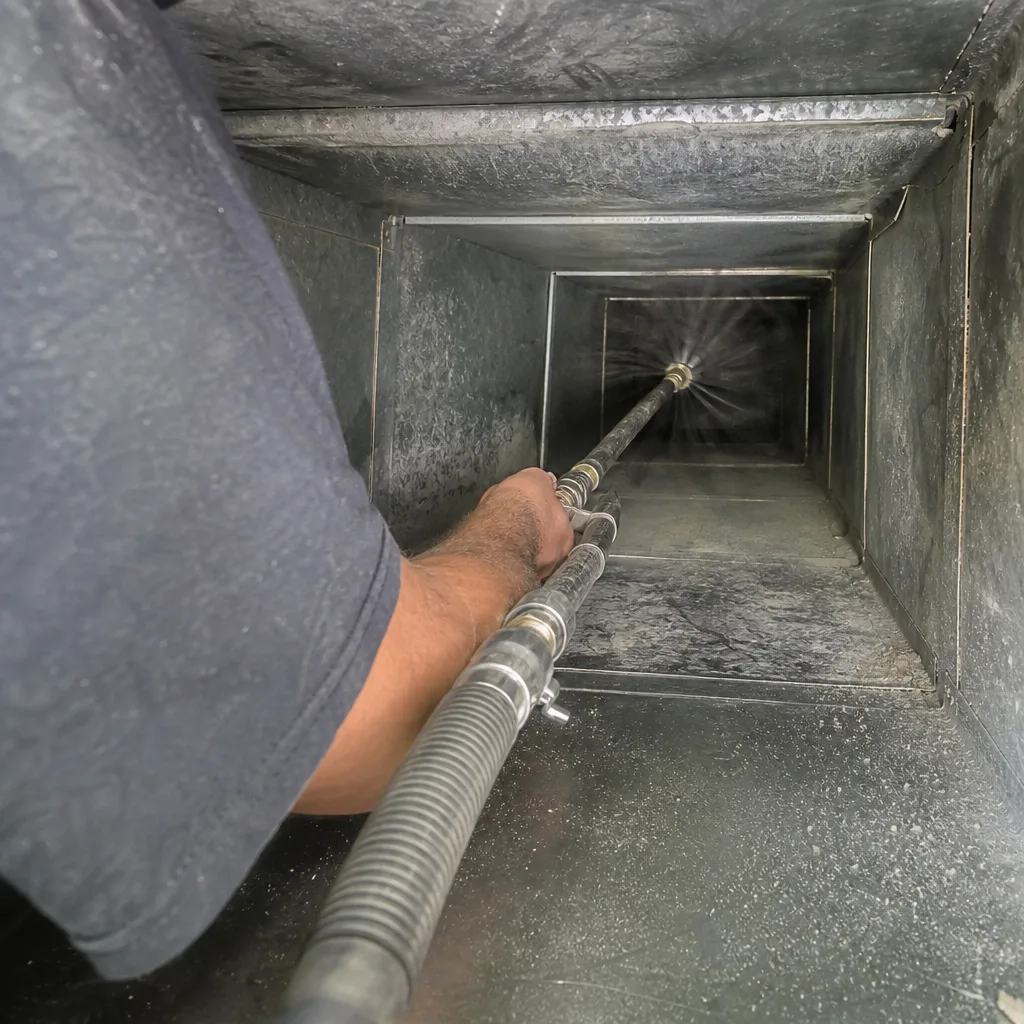
Virginia’s Department of Professional and Occupational Regulation (DPOR) adds another layer that duct cleaning contractors and homeowners often overlook. DPOR licenses contractors by trade, and the specific license held determines what work can legally be performed.
A Class A, B, or C HVAC contractor’s license authorizes work on heating, ventilation, and air conditioning systems, including ductwork. But mold remediation inside duct systems falls under a separate regulatory framework. Virginia’s Mold Remediation Services regulations, administered by DPOR, require specific licensing for contractors who perform mold assessment or remediation in buildings.
Here’s where this intersects with duct work in Herndon homes. Our climate - humid summers with sustained periods above 80% relative humidity, combined with winter heating cycles that can create condensation in unconditioned attic spaces - produces conditions where microbial growth occurs inside ductwork. We’ve documented this in Herndon homes, particularly in properties with original duct systems and inadequate attic ventilation.
When our camera shows growth inside a duct run, we have a decision point:
- Cleaning and sanitizing - removal of visible contamination with HEPA vacuuming and application of EPA-registered sanitizers. This falls within our HVAC contractor scope and does not require mold remediation licensing if the growth is superficial and the underlying moisture issue is addressed.
- Encapsulation - application of sealant coatings to duct interior surfaces to encapsulate remaining contamination. This is a physical modification of the duct system and may trigger both permit requirements and licensing questions, depending on the product used and the extent of application.
- Mold remediation - removal of contaminated materials, treatment of affected areas, and implementation of moisture controls. If the ductwork itself is the contaminated material, replacement may be required. This requires a DPOR-licensed mold remediation contractor working in coordination with a licensed HVAC contractor.
We’ve encountered contractors in the Herndon market who apply encapsulant coatings as a standard add-on to cleaning services, without addressing whether the application constitutes a modification requiring permitting, or whether the contractor holds appropriate licensing for mold-related work. Our practice, under Haven Standard Clause 4: Documented Outcomes, is to photograph what we find, explain the regulatory categories in writing, and refer mold remediation work to appropriately licensed partners when required.
The equipment matters here too. For sanitizing work that remains within our scope, we use professional-grade application equipment from Guardsman and Abatement Technologies, with products registered for use in HVAC systems. We name these brands so customers can verify manufacturer specifications independently - part of our evidence-first approach.
The Documentation You Should Keep After Any Duct Work
Whether your job required a permit or not, the paperwork you retain determines whether that work helps or hurts you in future transactions. We’ve seen this play out in Herndon real estate sales, insurance claims, and warranty disputes.
Here’s what to keep, organized by work type:
For cleaning-only work:
- The written scope and price delivered before work started (Haven Standard Clause 1)
- The documented photo record showing interior of each duct run before and after
- Invoice with itemized description of services performed
- Technician identification and company license information
- Any warranty or guarantee documentation (our 365-Day Done Right Promise is provided in writing on every job)
For repair or modification work:
- All of the above, plus:
- Mechanical permit application and approval from Fairfax County
- Inspection sign-off documentation (rough-in and final, as applicable)
- Product specifications for any replacement materials (flex duct gauge, mastic type, insulation R-value)
- Before-and-after photos of the specific repair location, not just general duct interiors
Herndon’s real estate market moves quickly - median sale prices in 2024 exceeded $700,000 for single-family homes, and buyers conduct thorough inspections. A pre-sale inspection that reveals unpermitted duct modifications can trigger renegotiation, delay closing, or require retroactive permitting at higher cost and inconvenience. The documentation you maintain is your defense.
We’ve provided photo records and scope documentation to Herndon homeowners preparing to sell, at no charge, years after the original work. Our records are archived and retrievable because every job since 2013 has been documented systematically. This is not a premium service; it’s standard practice.
When “We Don’t Pull Permits” Is Correct vs. a Liability
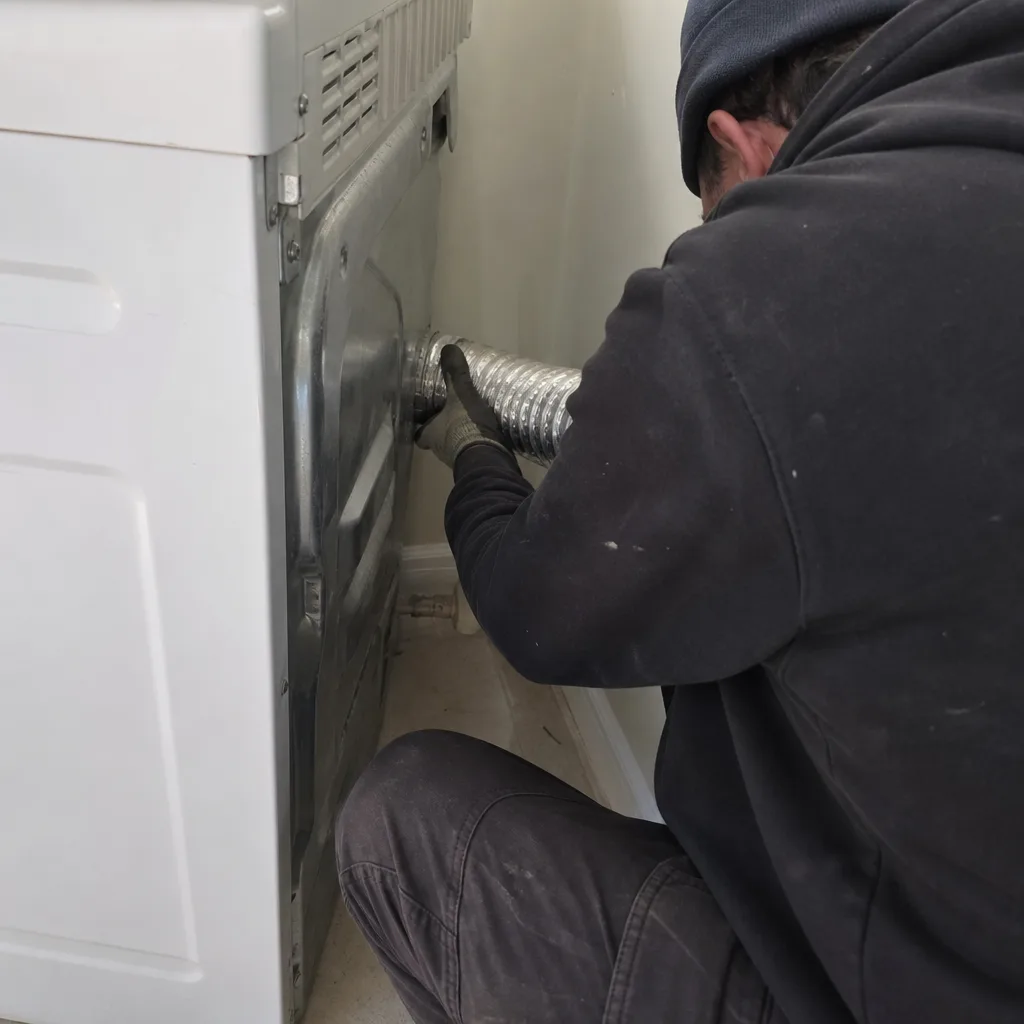
The statement “we don’t pull permits for duct work” requires context. There are legitimate scenarios where this is accurate, and others where it’s a red flag for regulatory evasion or ignorance.
Legitimate: The contractor is performing cleaning-only maintenance on existing ductwork, with no repair or modification component. The work falls under USBC maintenance exemptions and Fairfax County’s corresponding interpretation. The contractor should still provide written scope, photo documentation, and proof of licensing and insurance.
Legitimate with caveat: The contractor is performing minor repairs that Fairfax County interprets as restoration of original function without permit. This requires specific knowledge of county staff memos and consistent application. The contractor should be able to cite the specific exemption and provide documentation of the work performed.
Liability: The contractor is replacing duct sections, modifying plenum connections, adding registers, or performing encapsulation work, and actively avoids permitting to save time or because they lack the license required to pull a permit. This exposes the homeowner to code violations, insurance denial, and sale complications.
Liability: The contractor performs work that requires a permit, tells the homeowner it’s not needed, and provides no documentation. When the homeowner later discovers the issue, the contractor has no record and no accountability.
How to tell the difference:
- Ask for the specific scope of work in writing before any work begins. Vague descriptions (“we’ll clean everything and fix what we find”) permit scope creep without accountability.
- Ask directly: “Will this work require a Fairfax County mechanical permit?” A knowledgeable contractor answers immediately with specificity. An evasive contractor deflects.
- Request the contractor’s DPOR license number and verify it online. In Virginia, HVAC contractors must display their license number in advertising and on contracts - we publish ours on every page.
- Ask what documentation you’ll receive after the job. “We’ll email you a receipt” is insufficient for repair work. You want scope, photos, permit documentation if applicable, and warranty terms in writing.
We’ve lost jobs in Herndon to competitors who quoted faster by skipping permit requirements. We’ve also been called back by homeowners who discovered the omission during pre-sale inspections and needed the work documented properly. The written price we deliver before work starts includes all regulatory compliance costs; there are no post-hoc additions for permits we “forgot” to mention.
Common Mistakes to Avoid
- Assuming all duct work is the same regulatory category. Cleaning, repair, and modification trigger different requirements. Treating them identically leads to compliance gaps or unnecessary permitting costs.
- Accepting verbal scope descriptions. Virginia law requires written contracts for home improvement work over $1,000, but even smaller jobs deserve written documentation. The absence of written scope makes permit determination impossible to verify later.
- Ignoring Fairfax County’s amended requirements. The county’s mechanical code amendments add specificity to USBC base requirements. A contractor licensed in another Virginia jurisdiction may not know Herndon’s specific thresholds.
- Confusing cleaning sanitizers with mold remediation. EPA-registered duct sanitizers are maintenance products. Mold remediation requires DPOR licensing. A contractor who treats serious contamination with light sanitizing may leave health hazards and regulatory exposure.
- Discarding documentation after “routine” maintenance. That cleaning invoice and photo record becomes evidence of system condition if you later file an insurance claim for water damage, mold, or HVAC failure. Archive it with your home records.
- Hiring based on price alone in a high-velocity market. Herndon’s housing values attract contractors who optimize for speed, not documentation. The lowest quote rarely includes proper permitting, photo records, or written warranties.
When to Call a Professional
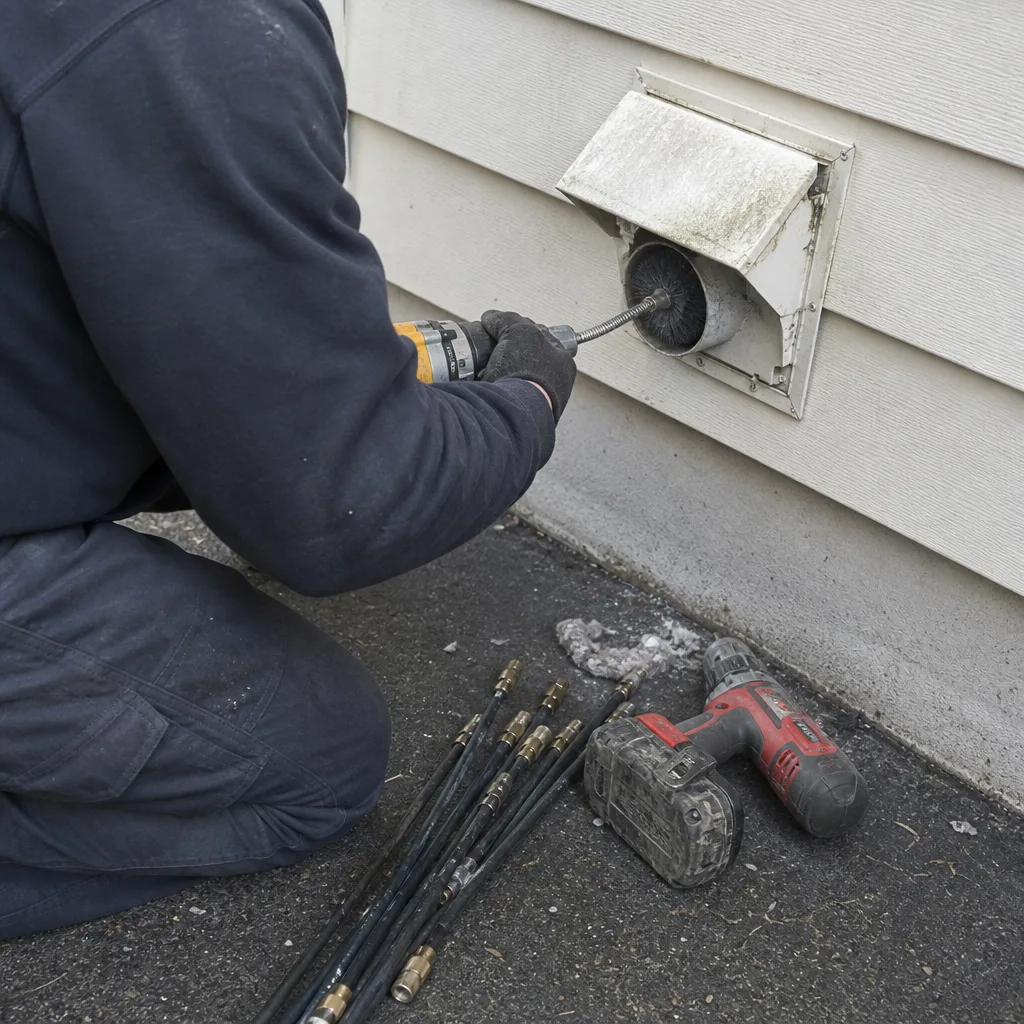
Call a licensed HVAC contractor when your duct system shows visible damage, persistent airflow problems, or contamination that cleaning alone won’t address. For more guides & resources on maintaining your home’s air quality, explore our blog. In Herndon, where humidity and aging housing stock compound duct degradation, professional assessment with camera inspection prevents small problems from becoming expensive failures.
Specific scenarios that warrant professional evaluation: repeated dust accumulation shortly after cleaning; visible mold or musty odors from registers; rooms that won’t maintain temperature despite adequate equipment capacity; rodent or insect evidence in ductwork; and any duct work performed by a previous owner without documentation.
CleanRun Air Duct Cleaning Herndon offers free estimates in Herndon - call (571) 520-6317. Every estimate includes a written scope and price before any work begins, and every job concludes with a documented photo record of every duct run. We pull permits when the work requires them, and we explain why when it doesn’t.
Frequently Asked Questions
No. Routine air duct cleaning - the removal of dust and debris from existing ductwork using mechanical agitation and vacuum extraction - does not require a permit under Virginia’s Uniform Statewide Building Code. This includes the use of rotary brush systems, negative-pressure extraction, and register access for cleaning purposes. Call (571) 520-6317 if you’re unsure whether your specific situation involves cleaning alone or crosses into repair territory.
Most residential duct repair projects in Herndon fall in the $800-$2,400 range including permit fees, with the permit itself adding $50-$150 depending on project valuation. The total depends on accessibility (attic vs. crawl space vs. finished basement), extent of replacement versus repair, and whether mold remediation coordination is needed. CleanRun delivers a written price before any work starts - Haven Standard Clause 1 - with permit costs included if applicable.
The buyer may request retroactive permitting, demand repair by a licensed contractor with proper documentation, or negotiate a price reduction. In Fairfax County, retroactive permits require opening finished surfaces for inspection, significantly increasing cost and disruption. Maintaining documentation from original work - permits, inspection sign-offs, and photo records - prevents this scenario entirely.
No. Fairfax County does not inspect maintenance-only duct cleaning. Inspection applies to mechanical permits for alteration, repair, or new installation work. If a contractor claims your cleaning job “failed inspection,” that indicates the work was permitted as repair or modification - a classification you should have been informed of in writing before work began.
No. Virginia DPOR requires specific mold remediation licensing for contractors who assess or remediate mold contamination in buildings. A standard HVAC contractor may clean superficial contamination and apply EPA-registered sanitizers, but significant mold issues require coordination with a DPOR-licensed mold remediation contractor. Ask for license verification before authorizing any mold-related work.
Visit DPOR’s online license lookup at dpor.virginia.gov and search by business name or license number. The license should be current, in good standing, and cover the appropriate classification (HVAC for duct work, Mold Remediation Services for mold work). CleanRun publishes its license number on every page and provides it in writing with every estimate.
The Bottom Line
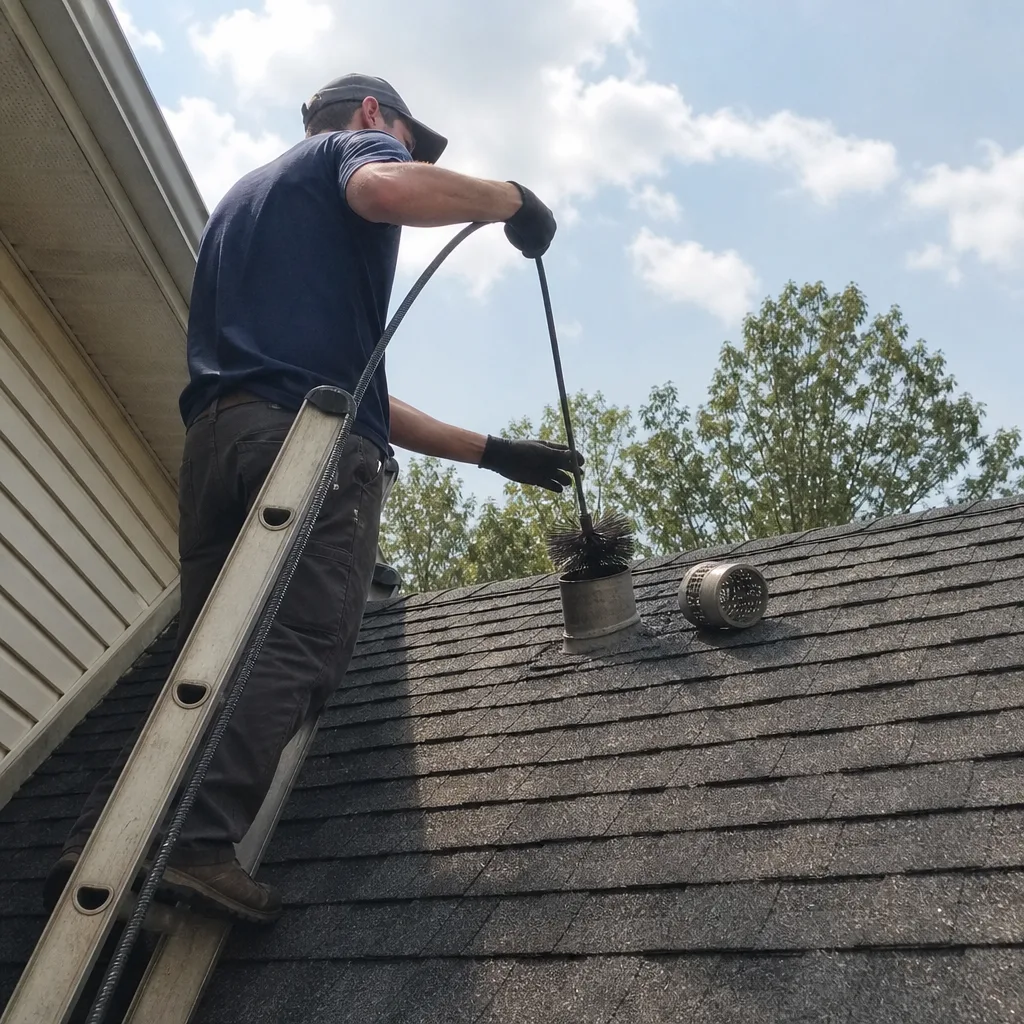
Air duct cleaning in Virginia requires no permit. Duct repair and modification often do. The difference lives in the specific work performed, not the contractor’s preference or the homeowner’s assumptions. For Herndon properties in Fairfax County, understanding USBC Section M1307, Fairfax County’s mechanical amendments, and DPOR’s mold remediation requirements protects you from compliance gaps that surface at the worst possible moment - during a home sale, insurance claim, or system failure. Demand written scope before work starts, photo documentation when it concludes, and permit records when the work crosses that line. The contractors who refuse this transparency are telling you exactly what kind of work you’ll receive.
Written by Tomas Reyes, Owner at CleanRun Air Duct Cleaning Herndon, serving Herndon since 2013.