
Last updated September 23, 2026
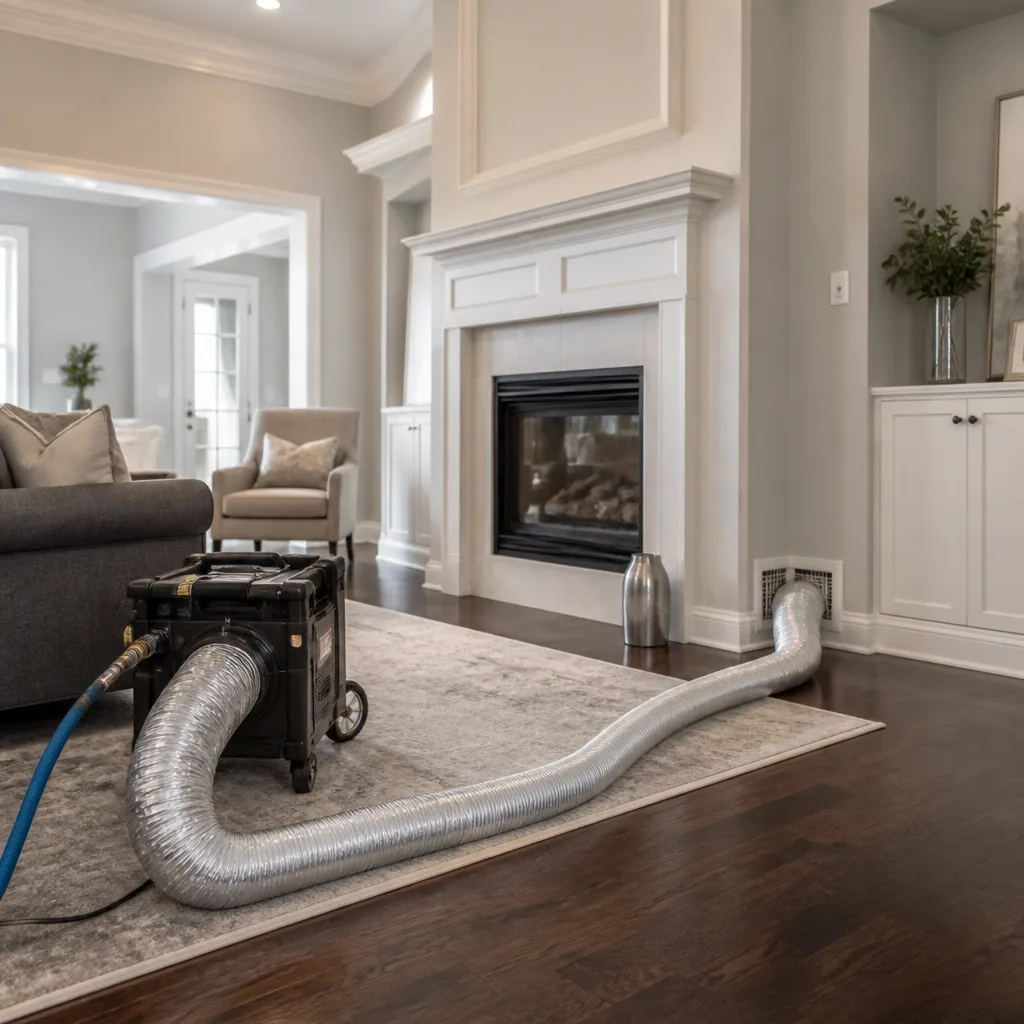
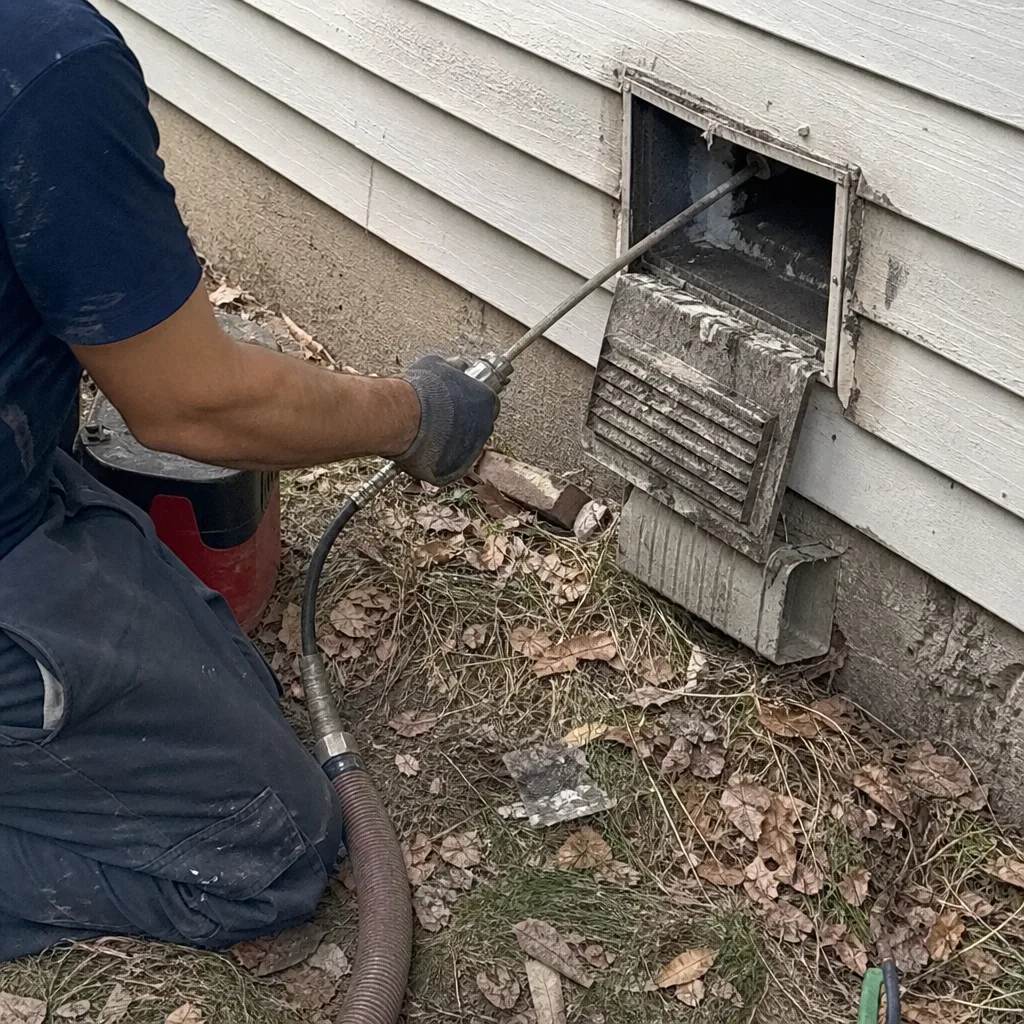
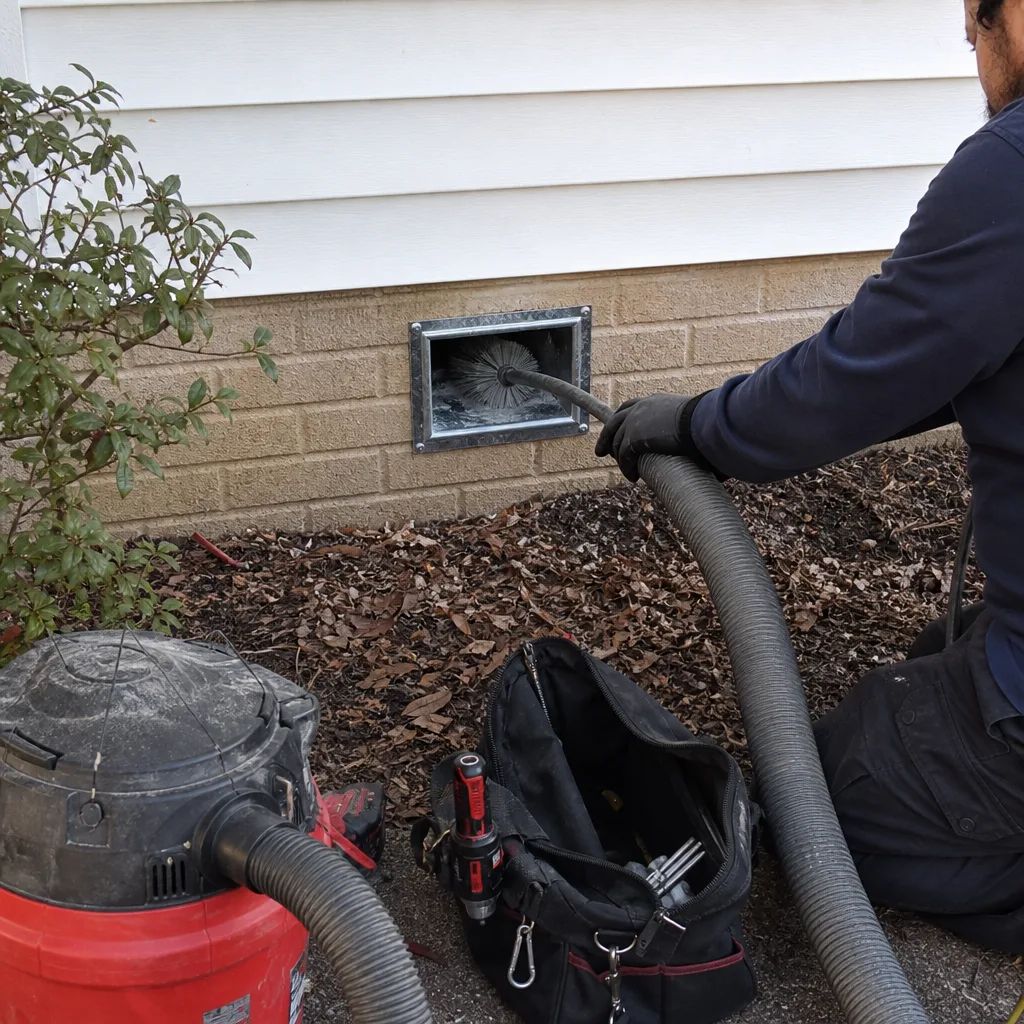
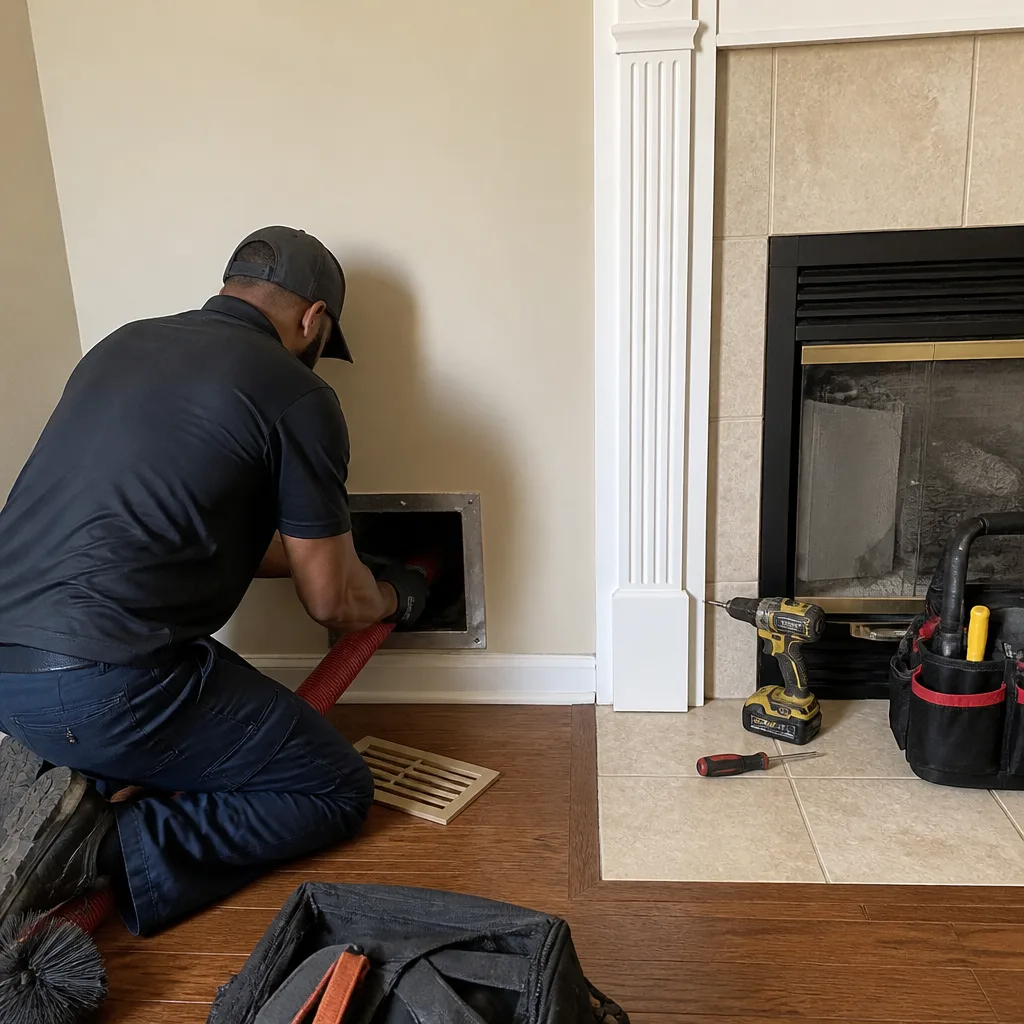
Whole-system duct and dryer vent check with before-and-after photos - you see exactly what came out of your vents
That "$99 whole-house special" is a bait ad - the real number appears once they are in your hallway, or the "clean" is a shop-vac at the register. We photograph the inside of your ducts before and after instead.

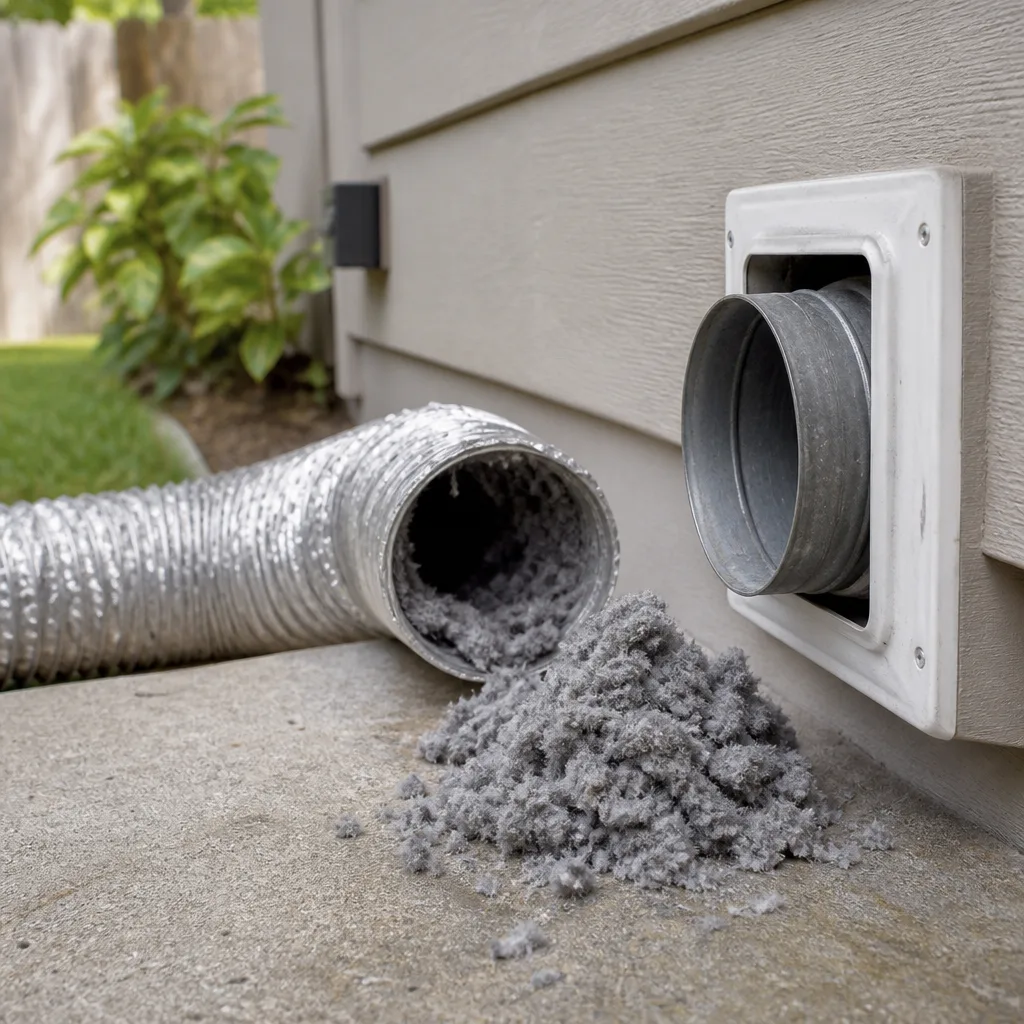
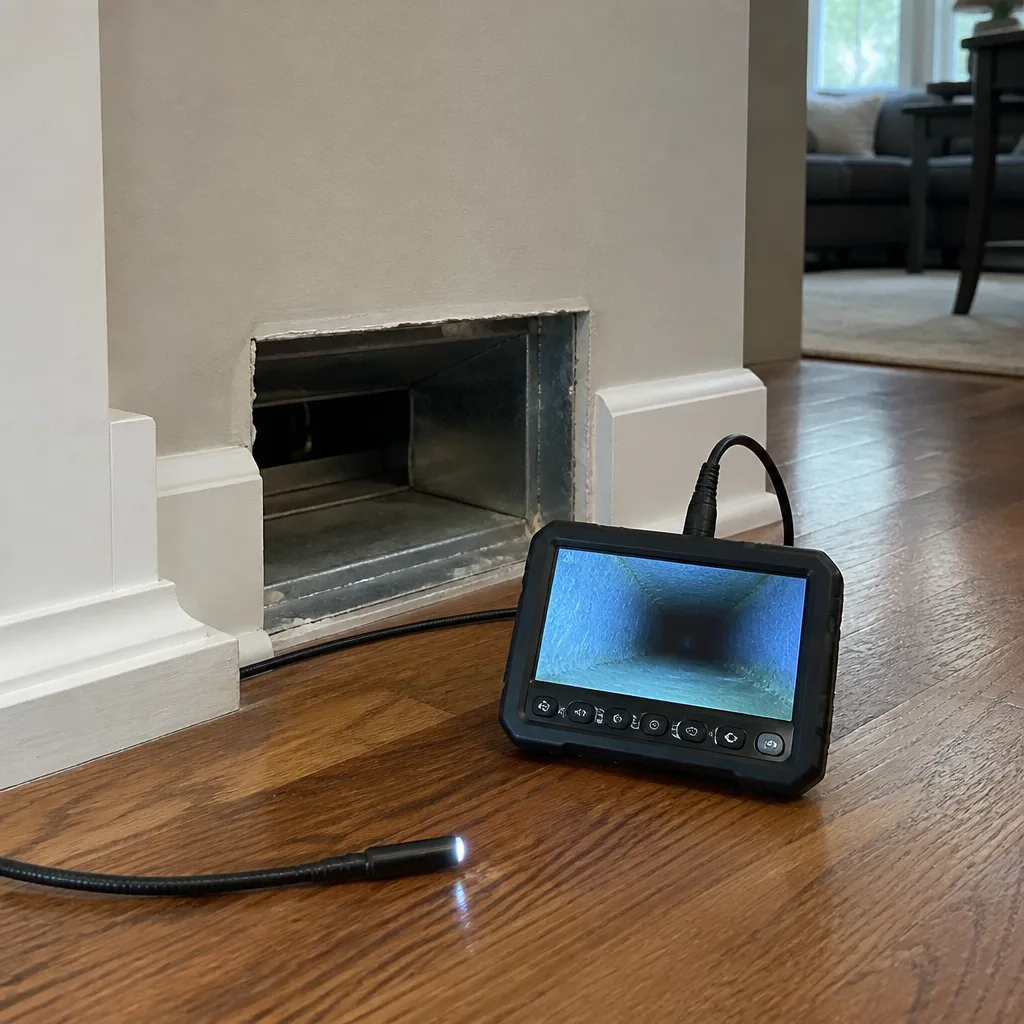
 Before
 After
After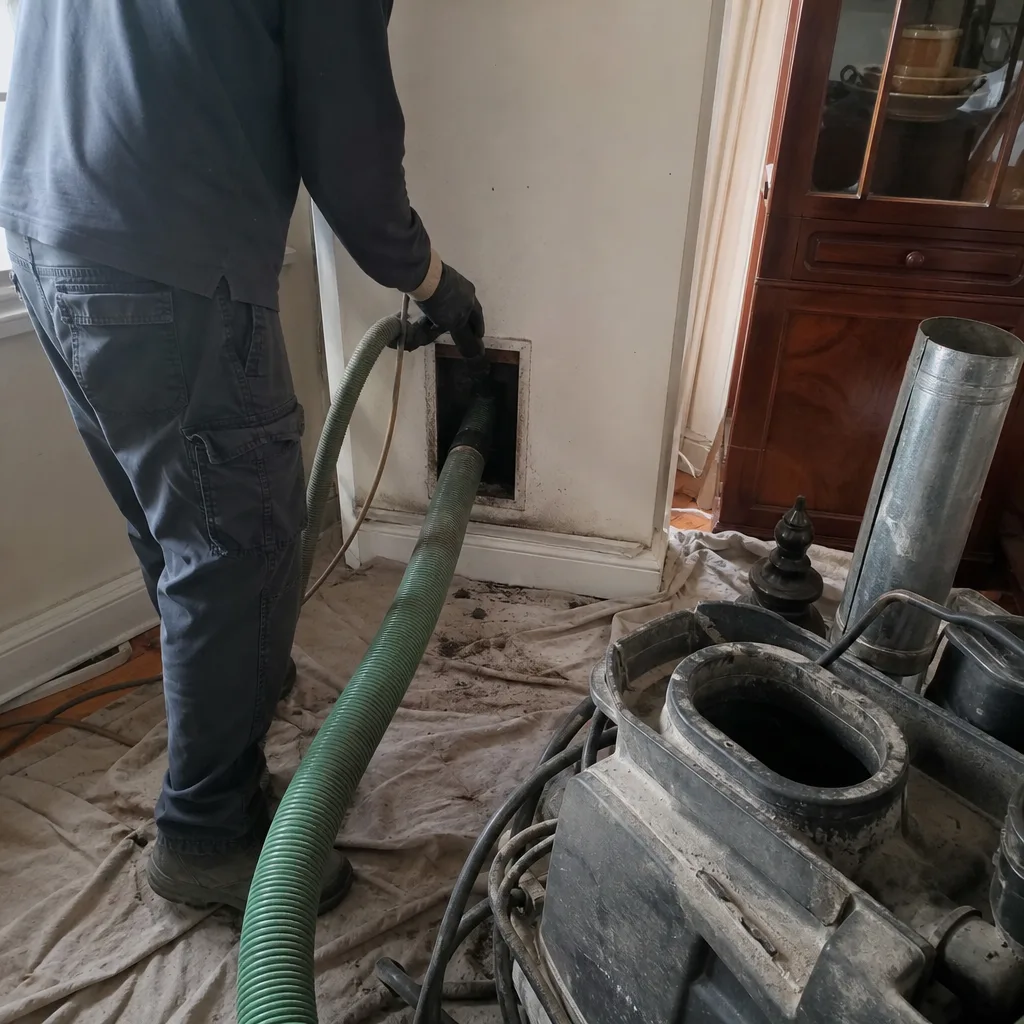 Before
 After
After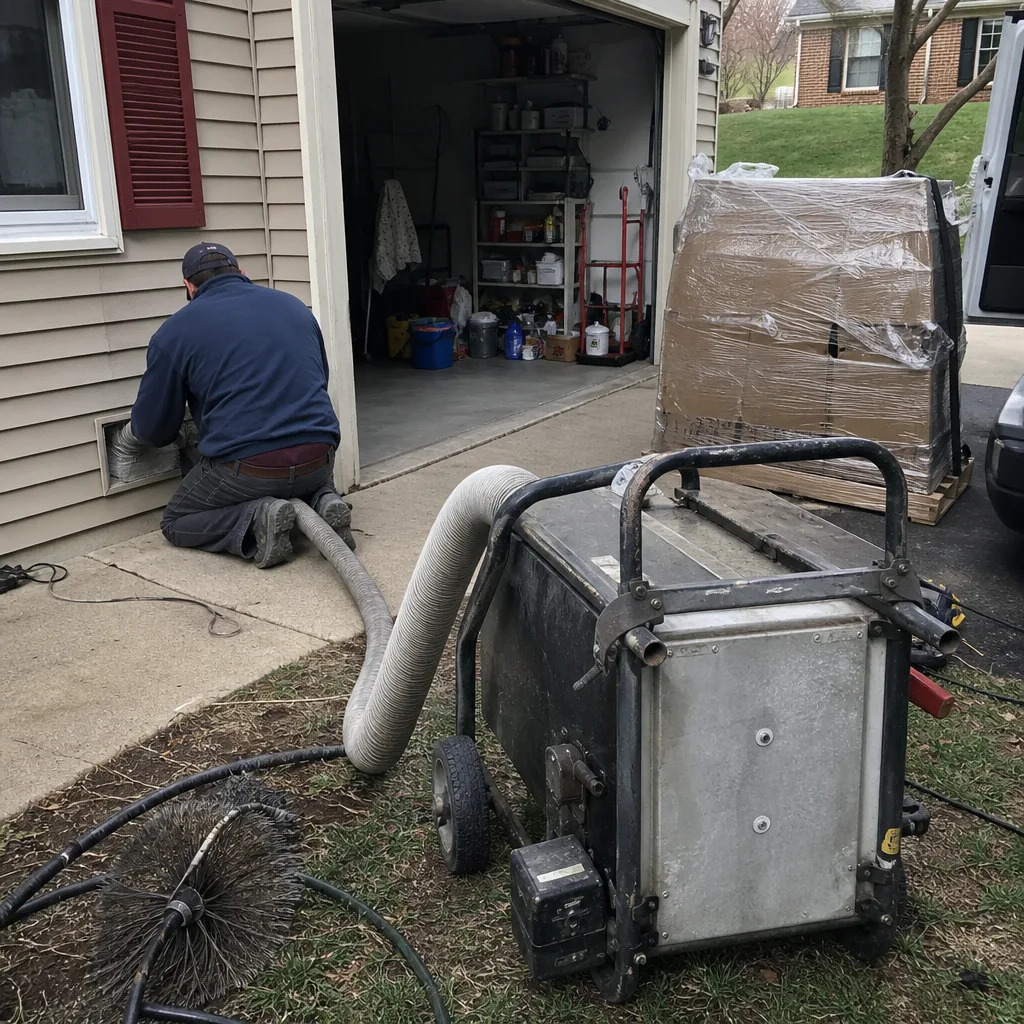 Before
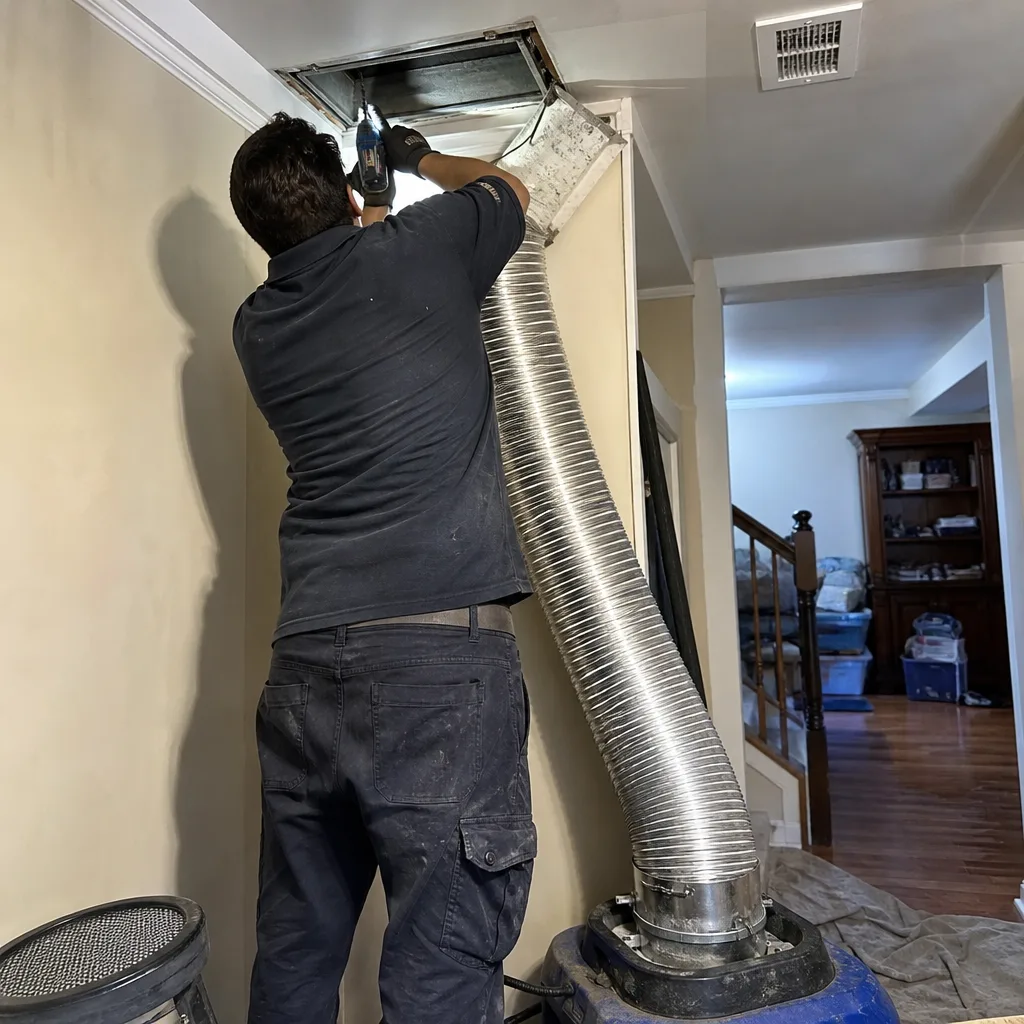 After
AfterSeasonal Air Duct Cleaning Care for Herndon: Year-Round Homeowner’s Guide
The worst time to discover your ducts have a mold problem is the first day you run the AC in May, when spores that sat dormant all winter get distributed through every room in under an hour. In Herndon, we’ve documented this exact scenario in more than 200 homes since 2013, and it is entirely preventable. This guide explains why Herndon’s four HVAC seasons create four operationally distinct duct-care periods, what each season deposits inside your system, and how to time maintenance around actual equipment stress rather than arbitrary calendar dates. For a deeper dive into budgeting, see our Air Duct Cleaning Cost Breakdown: The Herndon Homeowner’s Reference for 2026. You’ll learn to read your utility bill as a duct-efficiency signal, protect the crawlspace runs that fail first in Northern Virginia homes, and build a month-by-month maintenance rhythm that prevents emergency calls.
Quick Answer
Seasonal air duct cleaning care in Herndon means matching maintenance to four distinct HVAC operating periods: spring pollen loading (March-May), summer humidity and biological growth (June-August), fall debris infiltration (September-November), and winter forced-heat particulate buildup (December-February). The highest-value maintenance window for Northern Virginia homes is April, when a pre-cooling inspection with our Air Duct Cleaning services can catch mold, blockages, and efficiency losses before the first AC cycle distributes contaminants through every room.
Table of Contents
- Spring: Pollen, Allergens, and the Pre-Cooling Inspection
- Summer: Humidity, Mold Risk, and Biological Growth
- Fall: Leaf Debris, Rodent Entry, and Pre-Heat Preparation
- Winter: Dry Particulate Buildup and Forced-Heat Strain
- Crawlspace and Basement Runs: Herndon’s Hidden Failure Points
- Reading Your Utility Bill as a Duct-Efficiency Indicator
- Month-by-Month Maintenance Reference
- Common Mistakes to Avoid
- When to Call a Professional
- Frequently Asked Questions
BeforeAfterSpring: Pollen, Allergens, and the Pre-Cooling Inspection
Herndon’s spring pollen season typically runs from late February through May, with oak, birch, and grass pollens peaking in April and May. During these months, HVAC systems in Herndon pull enormous volumes of outdoor air through return grilles, and standard 1-inch fiberglass filters capture only a fraction of the allergen load. What passes through eventually settles in duct runs, on the evaporator coil, and in the plenum - the large central chamber that distributes conditioned air to each branch.
The critical maintenance window is April, before the first cooling cycle. Here’s why: mold spores and bacteria that colonized duct surfaces during winter heating season lie dormant in dry conditions. The moment the AC activates and introduces moisture to the system, these colonies rehydrate and release into airflow. In homes we’ve serviced in the CleanRun Air Duct Cleaning Herndon home territory, particularly in neighborhoods like Franklin Farm and Dranesville, we’ve photographed active mold growth at the first elbow of trunk lines that showed no visible surface evidence before the cooling season began.
A proper pre-cooling inspection in April should include:
- Visual inspection of the evaporator coil and drain pan - the coil sits inside the air handler and cools air by removing moisture; a dirty coil reduces airflow and provides a growth surface for mold.
- Register and return grille removal - check for debris accumulation at termination points, where duct runs end at the wall or floor.
- Flex duct inspection in accessible areas - look for collapsed sections, tears in the vapor barrier, and disconnected joints, all of which reduce system efficiency and allow unconditioned attic or crawlspace air to enter the system.
- Filter media upgrade assessment - standard fiberglass filters (MERV 1-4) do not capture pollen effectively; pleated media rated MERV 8-13, from manufacturers like Honeywell and Aprilaire, significantly reduce seasonal allergen loading without restricting airflow in most residential systems.
The cost of skipping this window is measurable. A system with clogged ducts or a dirty coil works 15-25% harder to achieve the same temperature, which appears on your May utility bill as a spike that precedes the hottest weather. More importantly, once mold has established in a duct run, remediation requires more than cleaning - it often requires replacement of flex duct sections, particularly in the humid conditions that follow in Herndon’s summer.
We recommend scheduling professional Air Duct Cleaning in Herndon in late March or early April if your home has not had service in 18+ months, if you’ve noticed increased allergy symptoms indoors, or if your system includes a humidifier that ran continuously through winter.
Summer: Humidity, Mold Risk, and Biological Growth
Herndon’s summer climate is the most aggressive duct-degrading period in the annual cycle. Average relative humidity from June through August hovers between 65% and 75%, with dew points regularly exceeding 70°F. Inside ductwork, this moisture condenses on cooler metal surfaces, particularly at the air handler plenum and at points where conditioned air meets unconditioned attic temperatures.
The biological growth pattern follows a predictable sequence we’ve documented across thousands of Herndon homes. First, dust and debris accumulated during spring provide a nutrient base. Second, condensation at thermal bridges - where metal ducts pass through hot attic spaces - creates sustained wetting. Third, mold colonies establish within 48-72 hours of wetting and release spores into airflow with each cooling cycle. By August, homes with this problem often show visible mold around ceiling registers and report persistent musty odors that air fresheners cannot mask.
Summer maintenance priorities differ from spring:
- Condensate drain line clearing - the pipe that carries moisture from the coil to outside must flow freely; a clogged drain floods the pan and introduces standing water to the air handler cabinet, accelerating mold growth throughout connected ductwork.
- Humidifier bypass closure - whole-home humidifiers installed for winter operation must have their water supply turned off and dampers closed by June; leaving them active in summer adds unnecessary moisture to already saturated air.
- Attic duct insulation inspection - check that fiberglass wrap or foil-faced insulation remains sealed at seams; gaps expose metal to humid attic air and create condensation points that drip onto ceiling drywall.
- Supply register airflow verification - rooms that feel stuffy despite the AC running may indicate blocked duct runs or collapsed flex sections, both of which reduce dehumidification capacity since the system cannot move enough air to extract moisture.
In Herndon’s older neighborhoods near the historic district, we’ve found that homes built between 1960 and 1990 with original metal ductwork are particularly vulnerable to summer condensation issues. These systems lack the internal insulation of modern flex duct, and their galvanized steel surfaces corrode where condensation persists year after year. The photo record from a typical July job in these homes shows rust staining at duct joints and mineral deposits from evaporated moisture - evidence of a problem that began years before the homeowner noticed.
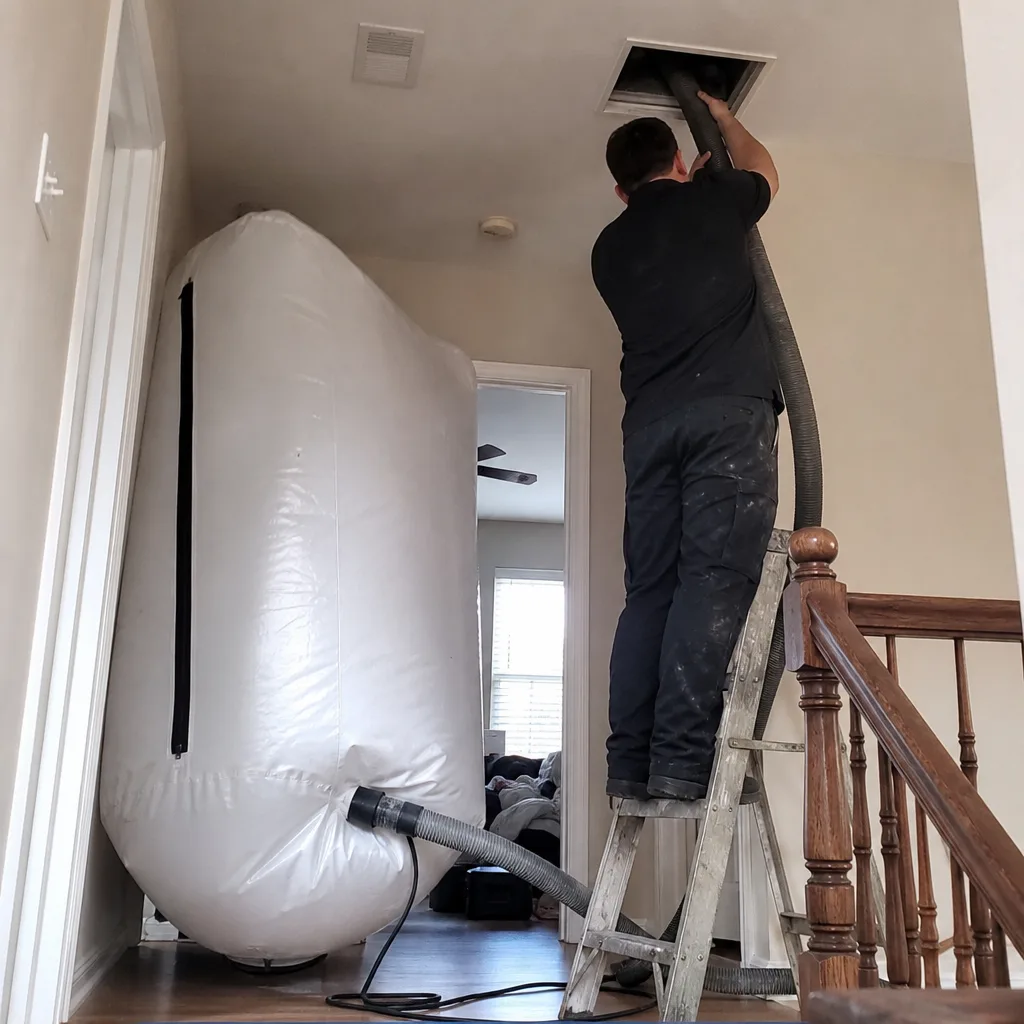
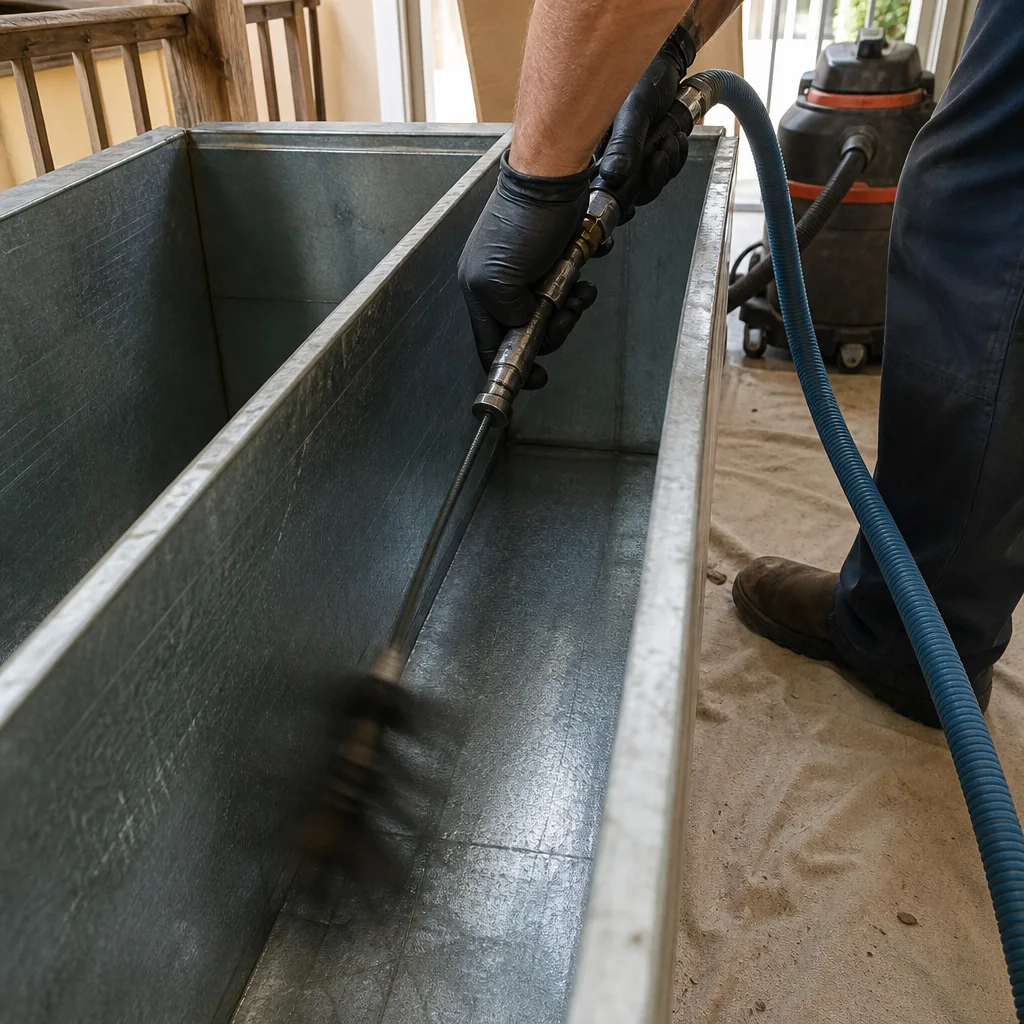
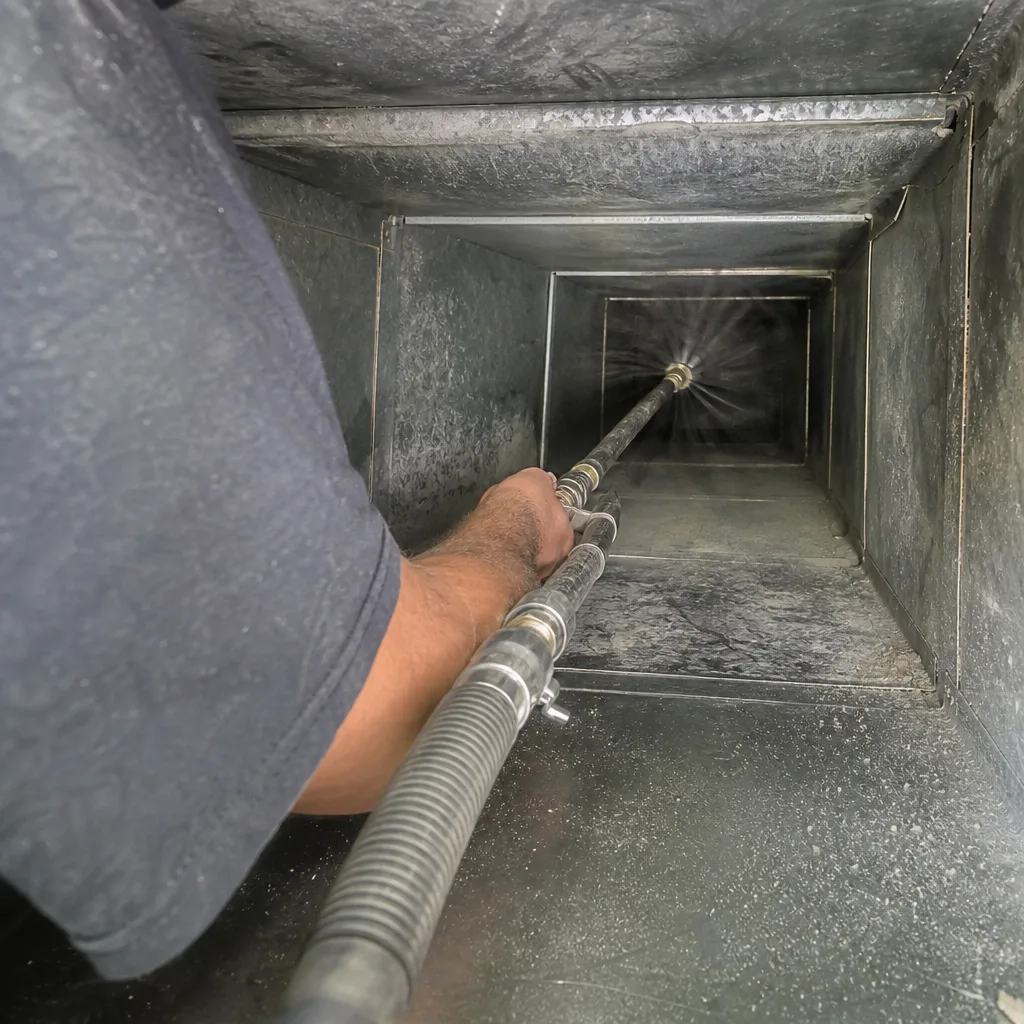
The equipment used to address summer contamination matters. Professional-grade negative-pressure extraction systems from Abatement Technologies, combined with rotary brush agitation from Rotobrush machines, remove adhered biological material rather than merely vacuuming loose debris. This distinction matters because mold hyphae - the root-like structures that anchor colonies to duct surfaces - require mechanical agitation to dislodge. Surface vacuuming without agitation leaves viable colonies that regrow within weeks.
Fall: Leaf Debris, Rodent Entry, and Pre-Heat Preparation
Herndon’s fall season brings a specific contamination source that homeowners rarely connect to indoor air quality: leaf debris infiltration through compromised exterior vents and poorly sealed return air pathways. Oak, maple, and sycamore leaves shed from late September through November, and the same wind patterns that pile leaves against foundations also create negative pressure at basement and crawlspace entry points that pulls organic debris into duct systems.
The mechanism is straightforward. Return air grilles draw air from the home’s interior; if the duct system has leaks in basement or crawlspace sections, it also draws air from those spaces. Leaves and organic matter near foundation vents, combined with rodent activity seeking winter shelter, introduce particulate and biological contaminants that circulate once heating season begins. We’ve photographed leaf fragments and rodent nesting material in duct runs that showed no evidence of direct exterior breach - the material entered through gaps in basement duct seams and traveled through the system.
Fall maintenance should focus on exclusion and system sealing:
- Exterior vent and soffit inspection - verify that all exhaust vents (dryer, bathroom, kitchen) have intact backdraft dampers and screens; these prevent rodent entry and reduce the pressure differentials that pull debris into the building envelope.
- Basement and crawlspace duct seam sealing - apply mastic sealant to visible gaps in metal duct joints; this is not duct tape, which degrades, but fiber-reinforced water-based sealant that remains flexible and airtight for decades.
- Return air pathway verification - ensure that return grilles connect directly to ductwork and do not draw air through wall cavities or floor joist bays, which are unfiltered pathways for debris and insulation particles.
- Heating system startup inspection - before the first sustained heating cycle, verify burner operation, heat exchanger integrity, and flue draft; a cracked heat exchanger introduces combustion byproducts to duct airflow and requires immediate professional repair.
The transition to heating also changes the moisture dynamics inside ducts. Summer’s condensation pattern reverses: warm supply air flowing through cool ductwork in unconditioned spaces creates new condensation points, particularly in attics where nighttime temperatures drop below duct air temperature in October and November. This fall condensation is brief but sufficient to reactivate any mold spores that survived summer cleaning, which is why we recommend inspecting attic duct insulation and vapor barrier integrity as part of pre-heat preparation.
Homes in Herndon’s newer developments, particularly those built since 2015 with sealed crawlspaces, show reduced fall debris infiltration but increased humidity retention in crawlspace duct runs. The sealed crawlspace design prevents ventilation that would dry these spaces, and duct insulation in these environments saturates more slowly but dries more slowly as well. We’ve replaced flex duct in sealed crawlspaces that showed no exterior damage but had internally collapsed insulation from years of moisture cycling.
Winter: Dry Particulate Buildup and Forced-Heat Strain
Herndon’s winter heating season, typically December through February with extension into March, creates a distinct contamination profile: extremely dry, fine particulate that accumulates gradually but relentlessly. Forced-air heating systems recirculate the same air volume 5-7 times daily, and each pass through ductwork deposits a fraction of household dust on interior surfaces. By February, a system that started clean in November has measurable buildup.
The dryness itself is a factor. Winter relative humidity in Herndon homes with active heating often drops below 30%, and at these levels, dust and skin cells become electrostatically charged and adhere more tenaciously to duct surfaces. Unlike summer’s moist, clumping debris, winter particulate is fine, dry, and deeply embedded - requiring more aggressive mechanical agitation to remove. Our photo records from January and February jobs consistently show lighter-colored, powdery deposits compared to the darker, cohesive debris of summer cleanings.
Winter also stresses duct system components in ways that affect air quality:
- Thermal expansion and contraction - metal ductwork expands when heated and contracts when the system cycles off; after thousands of cycles, this fatigues seams and connections, creating new leakage points that draw unfiltered air from attics and crawlspaces.
- Extended runtime - a system that runs 12-16 hours daily in January moves far more air volume than the same system running 6-8 hours in May, accelerating particulate deposition and filter loading.
- Humidifier operation - whole-home humidifiers, when properly maintained, improve comfort but introduce their own contamination risks; evaporative pad media that is not changed annually becomes a bacterial growth surface, and steam humidifiers with dirty reservoirs distribute mineral scale and biofilm into ductwork.
The filter maintenance rhythm must intensify in winter. A filter that lasted 90 days in spring may require replacement every 45-60 days under winter loading. We recommend checking filters monthly and upgrading to pleated media if you’re using fiberglass - the incremental cost is offset by reduced duct contamination and improved airflow that lowers heating bills.
One specific Herndon consideration: homes with heat pumps experience less extreme duct temperature cycling than those with gas furnaces, but heat pumps run longer cycles at lower temperature differentials, which means more total air volume moved through the system. The contamination pattern is more gradual but equally significant over the season. In homes we’ve serviced near Worldgate Drive and the Dulles Technology Corridor, heat pump systems often show more uniform debris distribution rather than the concentrated hotspots typical of furnace cycling.
Crawlspace and Basement Runs: Herndon’s Hidden Failure Points
Northern Virginia’s housing stock includes a high proportion of crawlspace and basement construction, and in Herndon specifically, neighborhoods built between 1970 and 2000 often feature extensive flex duct routing through these below-grade spaces. These runs fail faster and contaminate more severely than above-grade ductwork, yet they receive less homeowner attention because they are not visible.
The failure mechanism is seasonal condensation cycling. In summer, warm humid outside air enters crawlspaces through foundation vents and contacts cool duct surfaces. In winter, warm supply air flows through ducts surrounded by cold crawlspace air. Both conditions produce condensation, but at different locations on the duct circumference. Over years, this repeated wetting degrades the vapor barrier and internal insulation of flex duct, causing the fiberglass lining to separate from the inner core and collapse into the airflow path.
We’ve documented this specifically in Herndon homes with:
- Vented crawlspaces with dirt floors - the highest-risk configuration, where ground moisture combines with ventilation air to maintain relative humidity above 70% year-round.
- Basement duct runs near exterior walls - particularly where ducts pass through rim joist areas with inadequate insulation, creating thermal bridges that concentrate condensation.
- Original flex duct installed before 2010 - older flex duct used less durable vapor barrier materials and thinner insulation than current code requirements specify.
The signs of crawlspace duct failure often appear first as comfort complaints rather than air quality concerns. Rooms at the end of long crawlspace duct runs heat or cool unevenly. Static pressure at registers drops. The HVAC system runs longer to achieve setpoints. Homeowners often replace equipment before discovering that the ducts, not the furnace or air handler, are the limiting factor.
Our recommendation for Herndon homes with crawlspace or basement ductwork: professional inspection every two years, with photo documentation of flex duct condition at accessible points. The HVAC Cleaning in Herndon service includes this inspection as standard, and the documented photo record shows homeowners exactly what exists in spaces they cannot access themselves. When replacement is necessary, we specify duct with antimicrobial lining and 6-inch minimum insulation for below-grade applications, exceeding the 4-inch standard that builders often installed.
Reading Your Utility Bill as a Duct-Efficiency Indicator
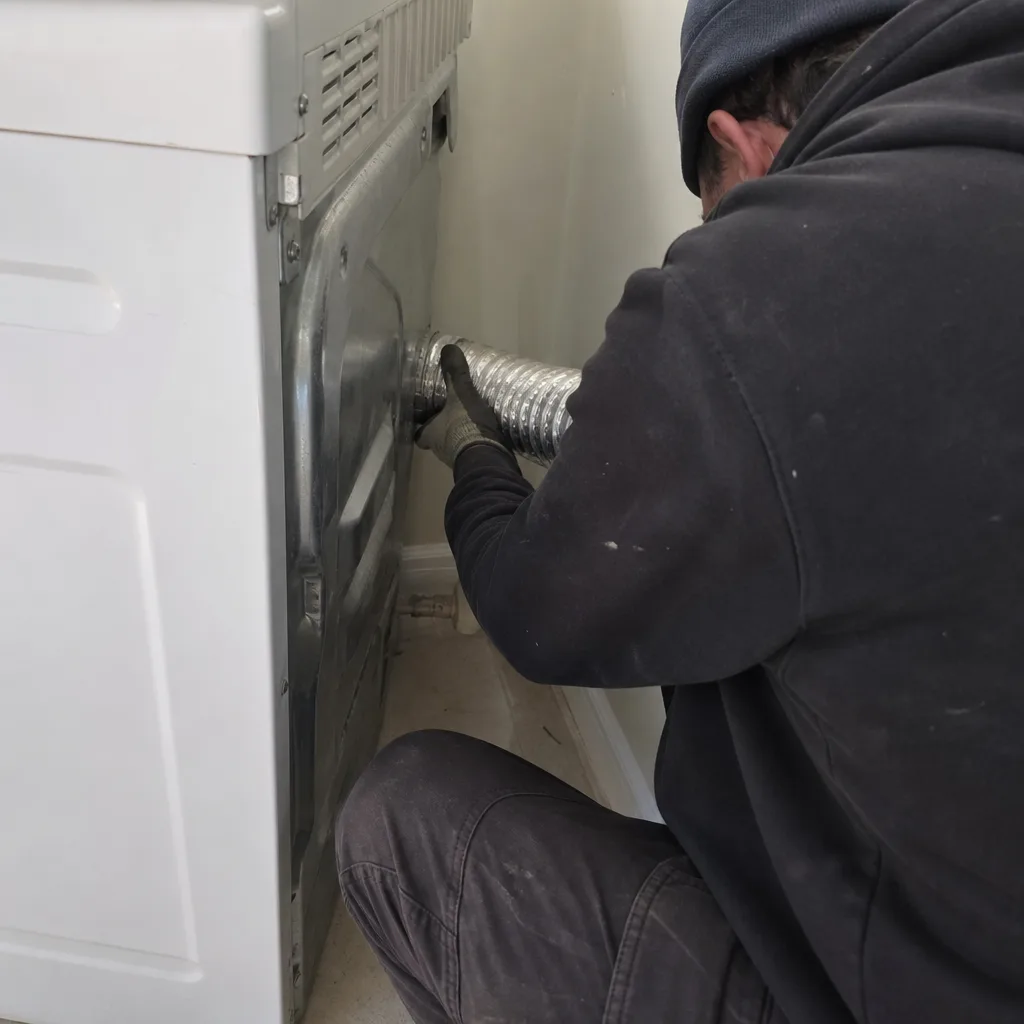
Your utility bill contains a duct-efficiency signal that most homeowners miss, and it is more reliable than the subjective feeling of “the system seems to be working harder.” The key is establishing a baseline and watching for deviation, not comparing your home to neighbors or national averages.
To establish your baseline:
- Collect 24 months of electricity and gas bills, available from Dominion Energy’s online portal.
- Normalize for weather using Heating Degree Days and Cooling Degree Days, published monthly by NOAA for the Dulles Airport station.
- Calculate kWh per Cooling Degree Day for summer months (May-September) and therms or kWh per Heating Degree Day for winter months (October-April).
- Average the two most recent years for each season to establish your home-specific baseline.
What deviation signals duct problems:
- Summer kWh per CDD increases 15%+ year-over-year - likely causes include duct leakage (cooled air escaping to attic or crawlspace), evaporator coil fouling, or blocked duct runs reducing airflow and forcing longer compressor runtime.
- Winter therms per HDD increases 15%+ year-over-year - likely causes include duct leakage to unconditioned spaces, heat exchanger fouling, or collapsed flex duct reducing supply to distant rooms and causing thermostat oversatisfaction.
- Shoulder month (April, October) usage that does not drop proportionally - indicates the system is fighting itself, often due to simultaneous heating and cooling calls caused by duct imbalance or thermostat location issues.
The 15% threshold is not arbitrary. In our experience with Herndon homes, efficiency losses below this level often resolve with filter changes and register adjustments. Losses above 15% typically indicate duct system degradation that requires professional assessment. We’ve used this method with homeowners who suspected equipment failure and found instead that a single disconnected duct in the attic was dumping conditioned air into insulation - a $50 repair, not a $5,000 replacement.
One specific Herndon pattern: homes with south-facing great rooms and open floor plans often show elevated summer kWh per CDD because duct design from the original construction did not account for solar heat gain in these spaces. The duct system is technically intact but undersized for the actual load. In these cases, duct modification or zoning, not cleaning, is the appropriate intervention.
Month-by-Month Maintenance Reference
This table organizes seasonal priorities into actionable monthly checks. “DIY” indicates homeowner tasks; “Pro” indicates work that requires equipment and access most homeowners do not have. For detailed task lists, refer to our Air Duct Cleaning Maintenance Checklist for Herndon Homeowners.
| Month | Priority | Action | DIY or Pro |
|---|---|---|---|
| January | Filter loading peak | Check filter; replace if pressure drop visible or if 60+ days since last change | DIY |
| February | Humidifier maintenance | Replace evaporative pad; clean reservoir; verify drain flow | DIY |
| March | Pre-pollen preparation | Upgrade to pleated filter (MERV 8-13); schedule professional pre-season inspection | DIY / Pro |
| April | Pre-cooling inspection | Professional coil, drain pan, and duct inspection; photo documentation of condition | Pro |
| May | First-cycle verification | Confirm no musty odors at startup; check condensate drain flow within 48 hours of first AC use | DIY |
| June | Humidity management | Verify humidifier bypass closed; check attic duct insulation for moisture staining | DIY |
| July | Mid-season filter check | Replace filter; note any black or green staining that indicates mold | DIY |
| August | Peak load assessment | Compare kWh usage to prior August; flag 15%+ increase for professional assessment | DIY / Pro |
| September | Transition preparation | Clear exterior vents of debris; inspect foundation for rodent entry signs | DIY |
| October | Pre-heat inspection | Professional heating startup check; duct seam sealing in accessible areas | Pro |
| November | Humidifier activation | Fill reservoir; verify water flow; set humidistat to 35-40% target | DIY |
| December | Baseline establishment | Record first heating bill; begin HDD-normalized tracking for winter efficiency | DIY |
The April and October professional inspections are the highest-leverage investments in this calendar. They catch problems before the seasons that stress systems most severely, and they produce the documented condition record that supports warranty claims and informs future maintenance decisions. CleanRun’s 365-Day Done Right Promise applies to all work performed in these windows, so a problem identified in April and addressed then remains covered through the following spring.
Common Mistakes to Avoid
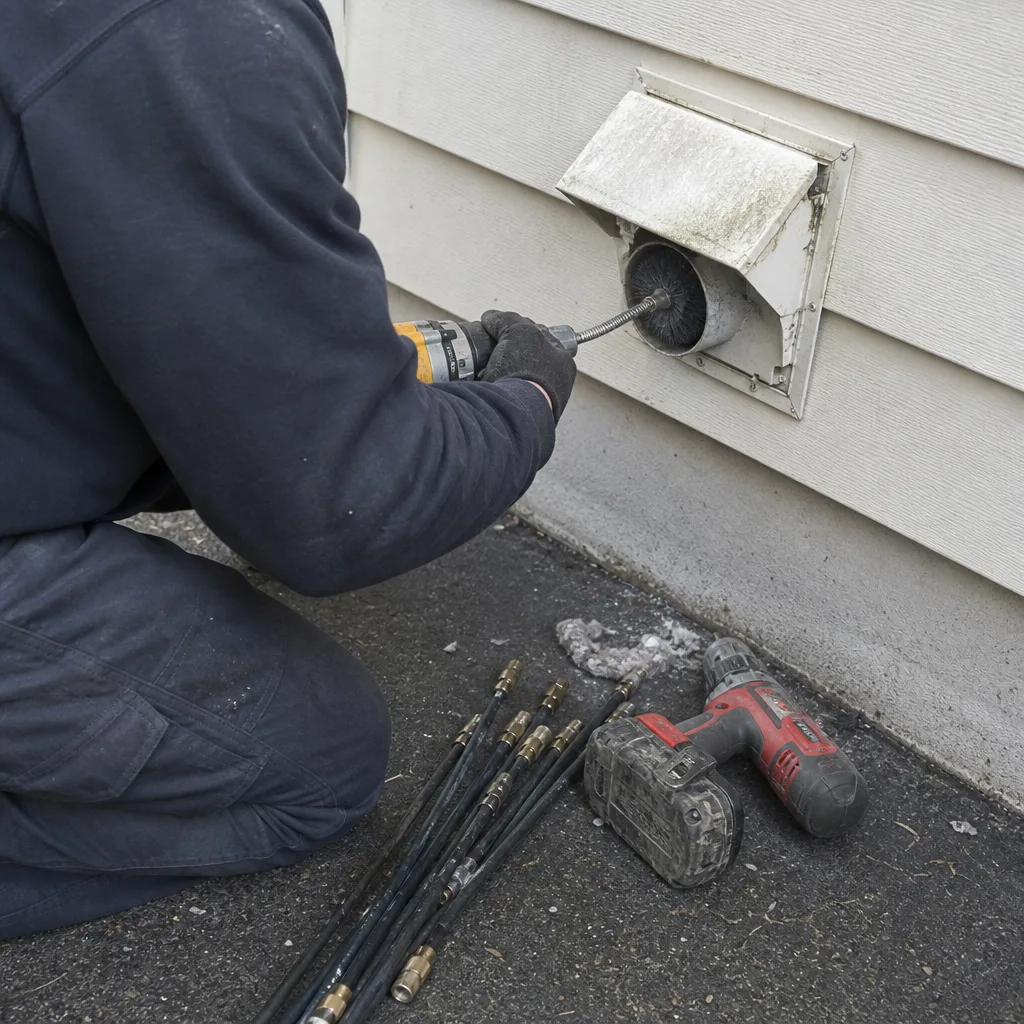
- Waiting for visible mold before acting. By the time mold is visible at registers, it has been growing in ducts for months. The camera shows what eyes cannot see from the living room.
- Using the cheapest filter that fits the slot. Fiberglass filters protect equipment, not lungs. In Herndon’s pollen-heavy spring, they load quickly and bypass, dumping unfiltered air directly into ductwork.
- Ignoring rooms that “just don’t heat well.” This almost always indicates duct blockage or collapse, not thermostat placement. The problem worsens until the duct fails completely.
- Sealing crawlspace vents without conditioning the space. A sealed crawlspace without dehumidification traps moisture against ductwork and accelerates insulation failure. This is a building science problem, not an HVAC problem, but it destroys ducts.
- Accepting “blow-and-go” duct cleaning without photo documentation. If the company cannot show you what was in your ducts before and after, you cannot verify that work occurred. CleanRun’s documented photo record exists precisely because this industry is saturated with vacuum noise sold as service.
- Assuming new homes have clean ducts. Construction debris - drywall dust, wood fragments, insulation scraps - routinely contaminates new duct systems. We’ve documented 2-inch debris piles in homes less than a year old in Herndon’s newer subdivisions.
- Neglecting Dryer Vent Cleaning in Herndon as part of seasonal maintenance. Dryer vents share exterior walls and roof penetrations with HVAC components; lint accumulation creates fire risk and can obstruct adjacent ductwork through shared framing cavities.
When to Call a Professional
Call a professional when you observe any of the following: persistent musty or chemical odors when the system operates; visible debris or staining around supply registers; rooms that consistently vary more than 3°F from the thermostat setpoint; water stains on ceiling drywall beneath duct runs; or any deviation in utility bills that exceeds 15% from your established seasonal baseline after weather normalization.
Specifically in Herndon, homes with crawlspace ductwork, original construction from 1975-1995, or any history of water intrusion should receive professional inspection every 18-24 months regardless of symptoms. These risk factors compound, and early intervention prevents the duct replacement that becomes necessary once flex duct insulation has collapsed.
CleanRun Air Duct Cleaning Herndon offers free estimates in Herndon - call (571) 520-6317. Every estimate includes a written price before any work begins, under Haven Standard Clause 1, and every completed job includes a Documented Photo Record of every duct run. We also provide a Free Second Opinion on any written estimate from another company; bring their quote and we’ll put our number next to it in writing.
Frequently Asked Questions
Whole-system air duct cleaning for a typical Herndon home ranges from $450 to $850, depending on system size, accessibility, and contamination level. CleanRun delivers a written price before any work starts - no per-vent add-ons, no coupon bait-and-switch. Call (571) 520-6317 for an exact quote; estimates are free.
$79-$149 quotes typically cover only a cursory vacuuming of accessible registers, not full-system cleaning with negative-pressure extraction and rotary brush agitation. The real cost emerges as upsells for “extra vents” or “sanitizing” once the technician is in your home. CleanRun’s written price covers the complete system, documented with before-and-after photos of every run.
Demand a documented photo record showing the interior of each duct run before and after service. CleanRun includes this as standard on every job, delivered to the customer as part of the job record. If a company cannot or will not provide this, the work cannot be verified.
Every 3-5 years for typical Herndon homes with regular filter maintenance; every 2-3 years for homes with pets, allergies, or crawlspace ductwork; and immediately after any construction, water intrusion, or rodent activity. The month-by-month reference above provides the seasonal rhythm that optimizes timing.
Herndon’s specific pollen load - dominated by oak and birch in spring - and its high proportion of crawlspace construction create a contamination profile that differs from, say, Arlington’s urban dust or Leesburg’s rural agricultural particulate. The seasonal timing of maintenance matters more here than in areas with milder seasonal transitions.
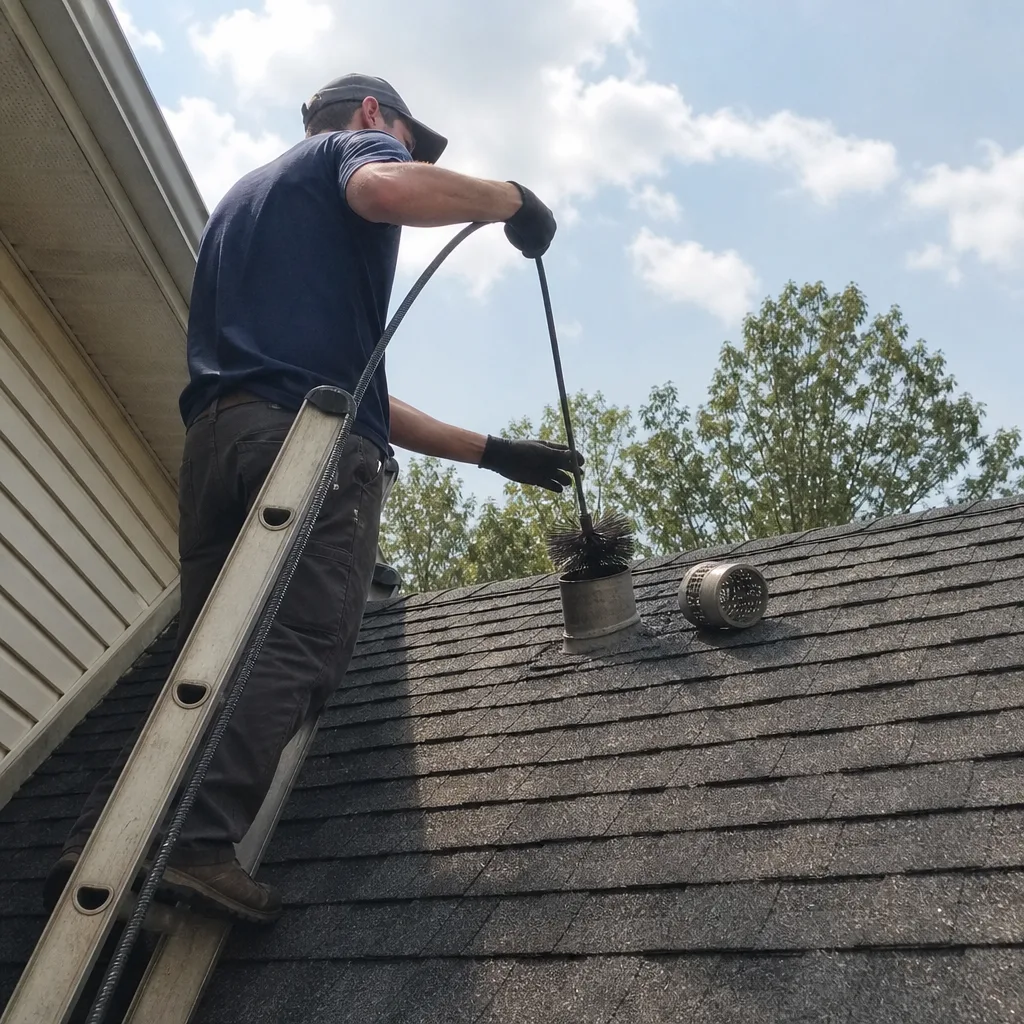
Homeowners can and should replace filters, clean registers, and verify condensate drain flow. However, negative-pressure extraction of the full duct system requires equipment - industrial HEPA vacuums, rotary brush systems, and compressed air whips - that is not available for consumer rental and requires training to operate without damaging ductwork. For the complete system, professional service is the practical choice.
The Bottom Line
Herndon’s four HVAC seasons create four distinct duct contamination profiles, and timing maintenance to these actual conditions produces better outcomes than arbitrary annual scheduling. The April pre-cooling inspection is the highest-value window for Northern Virginia homes, catching mold and blockages before the first AC cycle distributes them. Crawlspace and basement duct runs require specific attention because they fail faster than above-grade sections. Your utility bill, read with weather normalization, provides an objective efficiency signal that flags duct problems before comfort complaints begin. The month-by-month reference above converts these principles into a practical maintenance rhythm, and you can find more guides & resources on our blog.
Written by Tomas Reyes, Owner at CleanRun Air Duct Cleaning Herndon, serving Herndon since 2013.